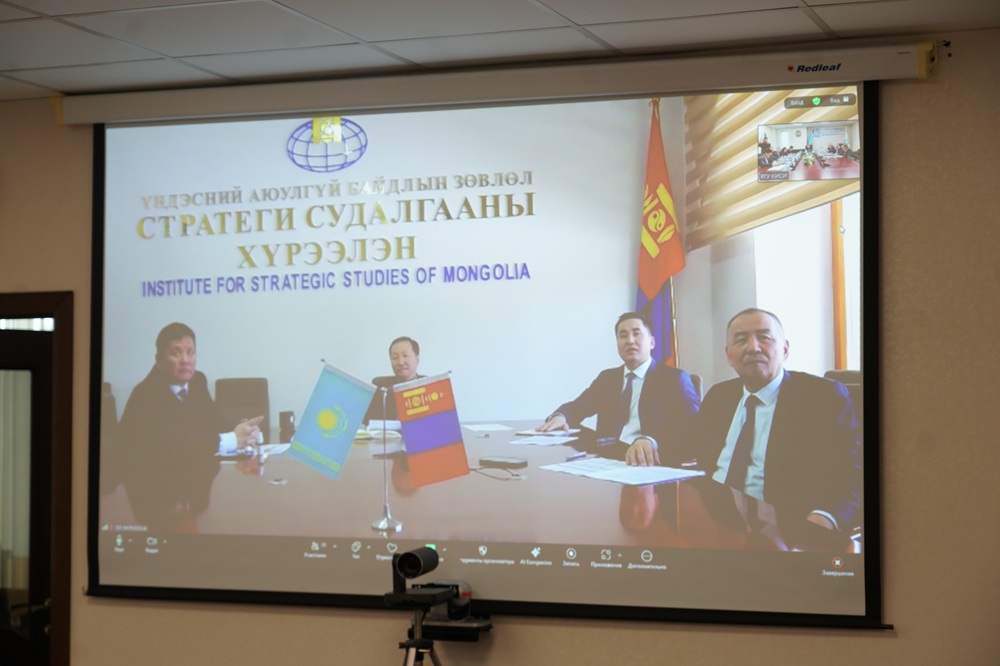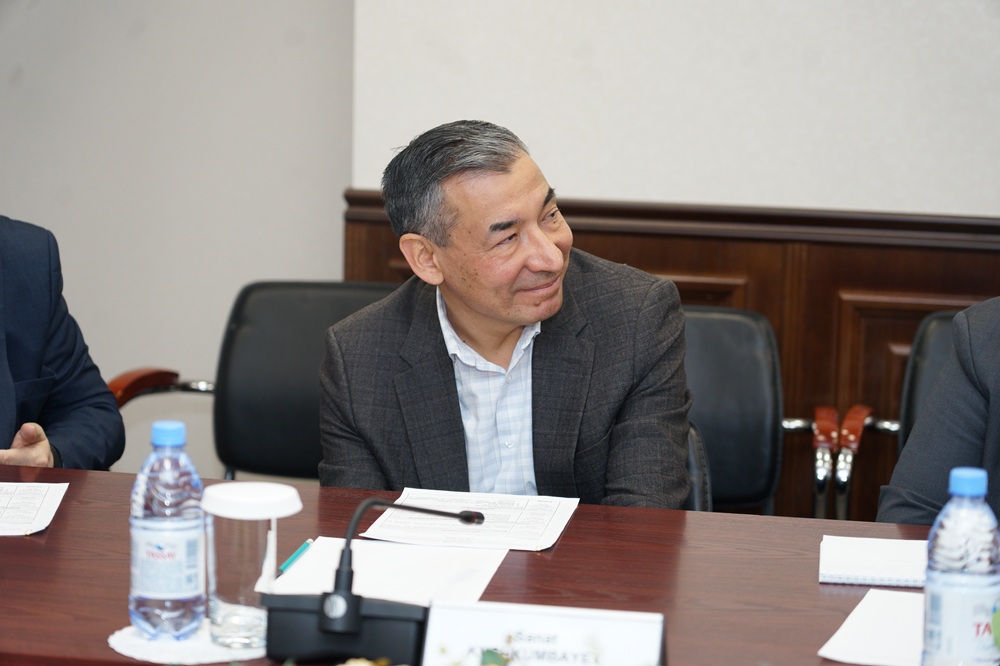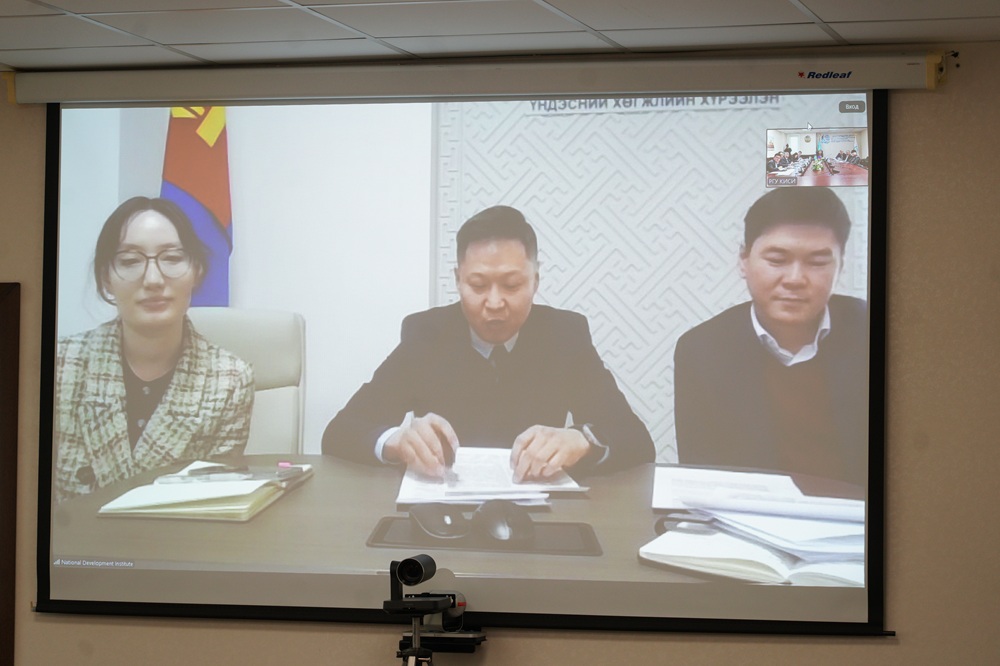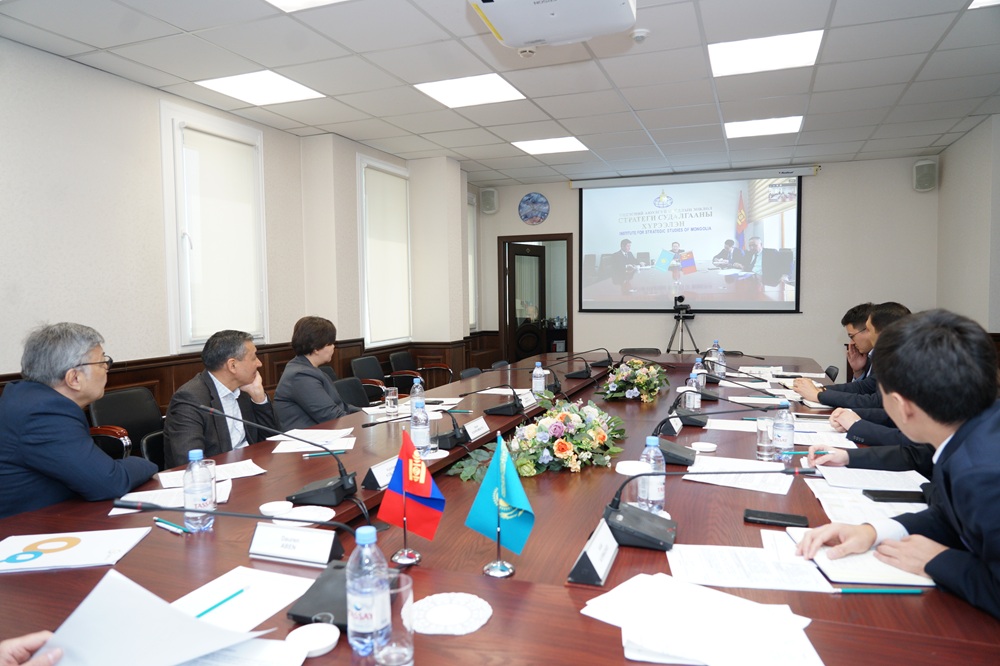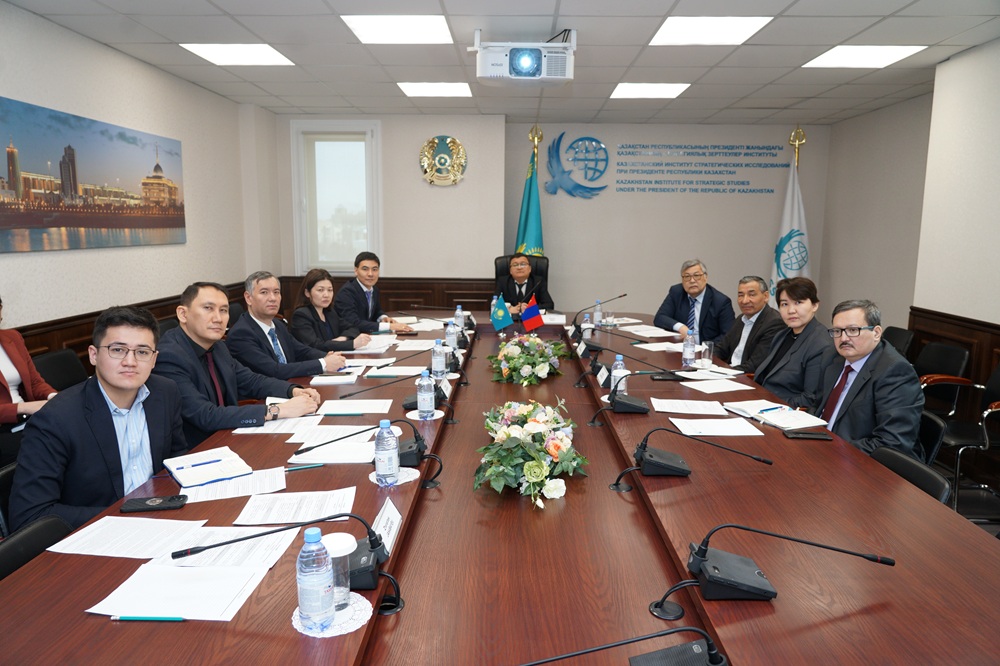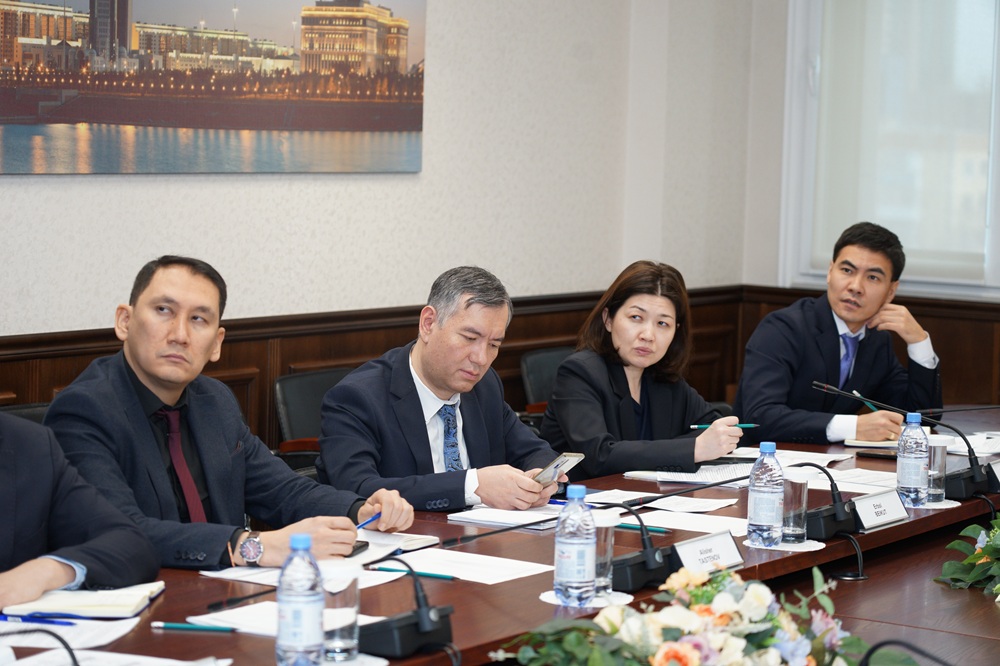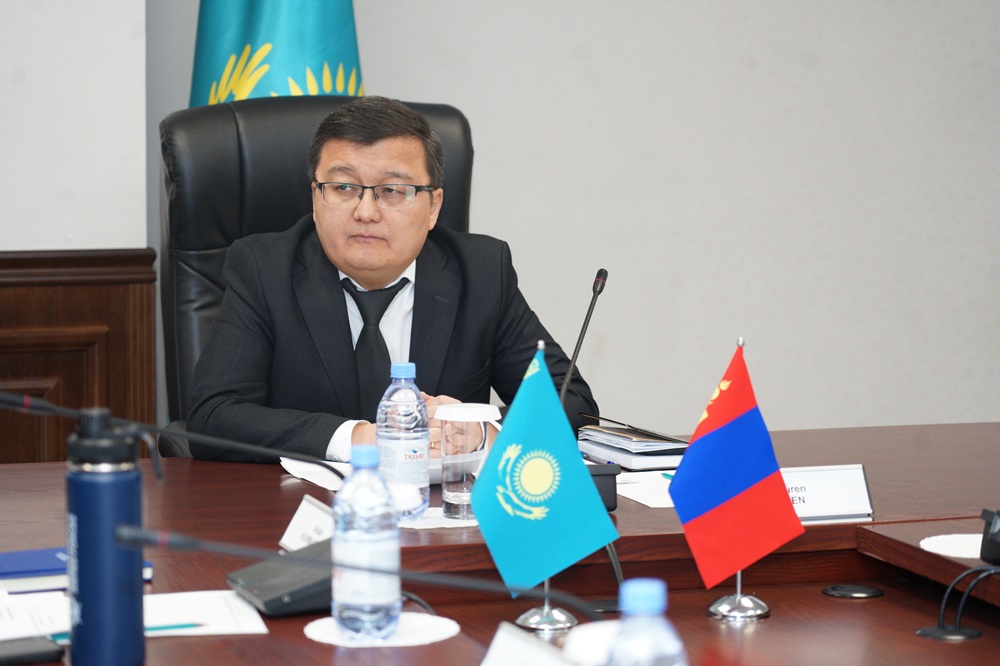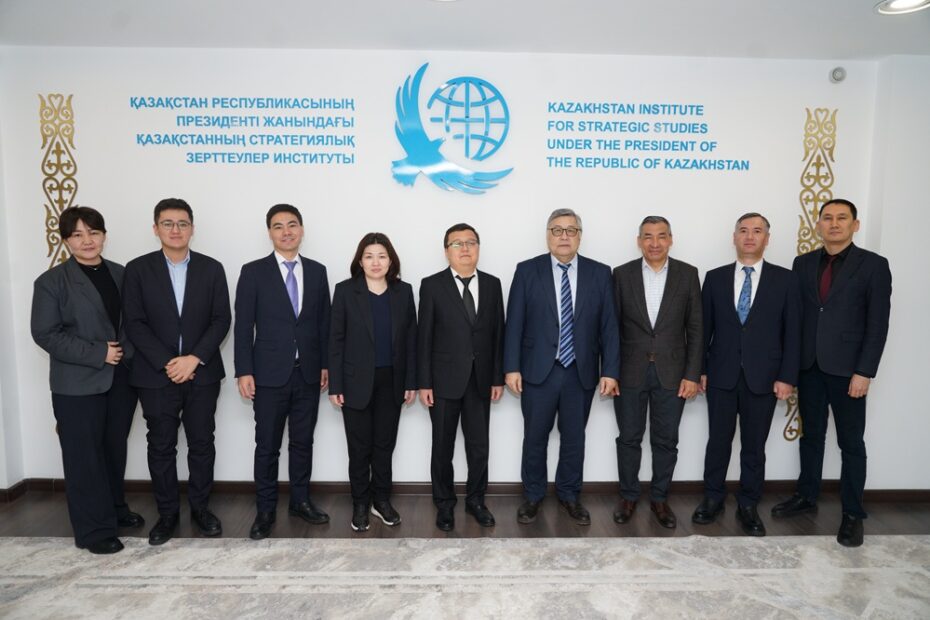
On March 4, 2026, an expert meeting was held to discuss “Current issues in cooperation between Kazakhstan and Mongolia: the Trans-Altai Dialogue and the Eurasian Economic Union”.
The event was organized by the Kazakhstan Institute for Strategic Studies under the President of the Republic of Kazakhstan (KazISS) in conjunction with the Institute for Strategic Studies of National Security Council of Mongolia (ASI).
Deputy Director of KazISS Dauren Aben and Director of ASI Mendee Jargalsaikhan addressed the participants with welcoming remarks.
Dauren Aben expressed his gratitude to his Mongolian colleagues for the joint organization of the expert meeting and noted the great prospects for Kazakhstani-Mongolian cooperation.
“Our relations are characterized by a high level of political dialogue and mutual trust. The partnership between Kazakhstan and Mongolia is based on centuries-old historical and cultural ties, as well as on presence of a large Kazakh diaspora in Mongolia, which serves as a natural bridge between our people,” emphasized D. Aben.
Mendee Jargalsaikhan also highlighted the historical depth of the ties between the two countries.
“Relations between Mongolia and Kazakhstan have a history stretching back a thousand years. Our countries are linked by long-standing cooperation and a shared desire to strengthen the partnership based on trust, respect and common interests,” noted M. Jargalsaikhan.
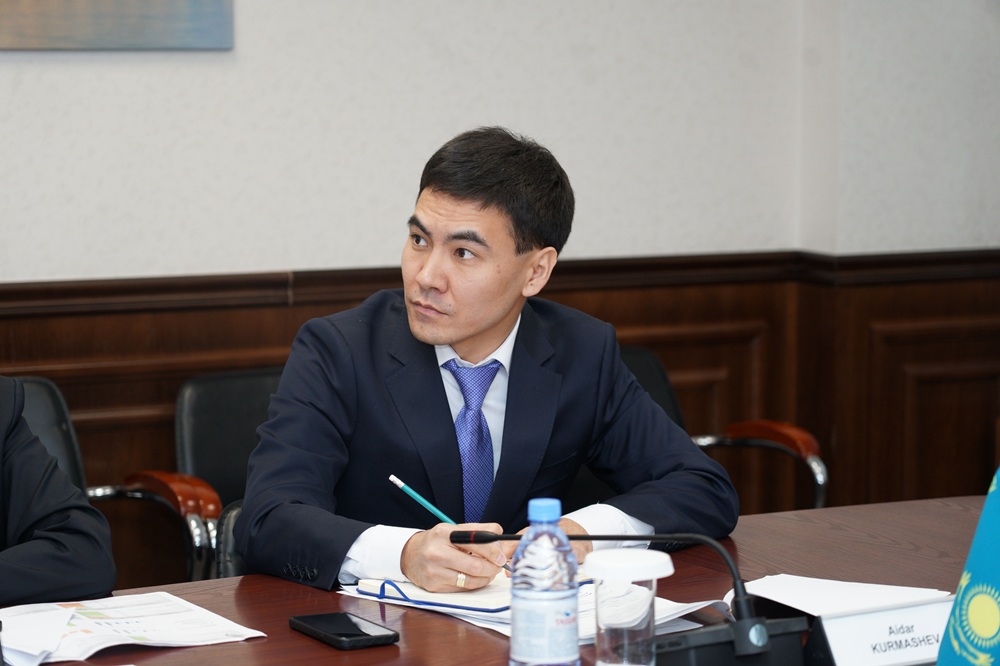
The meeting was moderated by Aydar Kurmashev, Head of Department of Asian Studies at KazISS.
During the first session, participants discussed the prospects for strategic partnership between Kazakhstan and Mongolia, key challenges and opportunities for cooperation in the region, as well as issues on international agenda.
ASI Senior Expert Erdenetsogt Dorzhpalam presented a report on Mongolia’s foreign policy focusing on cooperation with the countries of Central Asia.
“Mongolia’s foreign policy is open, peaceful, independent and multi-vector in nature, and is based on neutrality. Kazakhstan is a key regional partner for Mongolia and an important link in development of international cooperation, including logistics, transit, investment and digital sectors,” emphasized E. Dorzhpalam.
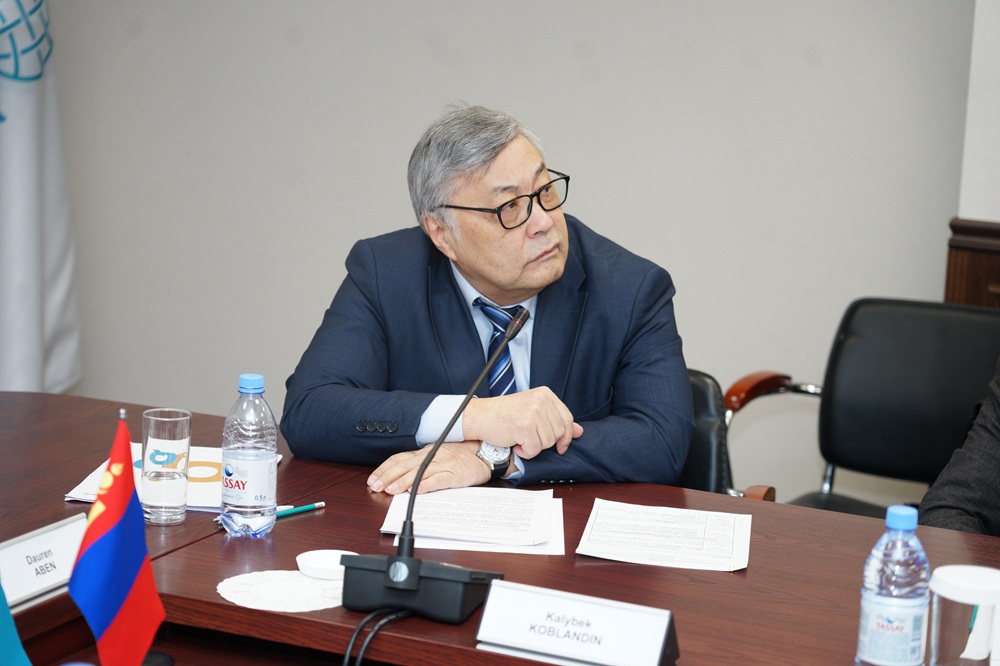
Kalybek Koblandin, Project Coordinator at the Otandastar Foundation and former Ambassador Extraordinary and Plenipotentiary of the Republic of Kazakhstan to Mongolia, drew particular attention to the significance of humanitarian aspects of bilateral relations.
“Talking about strategic partnership between Kazakhstan and Mongolia, it is important to focus on humanitarian and diaspora aspects of our relations. Historical memory, the legacy of steppe civilization and cultural affinity are key factors in ensuring the long-term sustainability of our cooperation,” noted K. Koblandin.
In his speech, ASI expert Gansukh Unurjargal highlighted a number of pressing issues on the regional agenda, as well as matters concerning Mongolia’s interaction with key external partners.
During the second session held in the form of an open discussion, participants exchanged views on foreign policy priorities of Astana and Ulaanbaatar, the prospects for implementing the “Trans-Altai Dialogue” initiative, Mongolia’s cooperation with the Eurasian Economic Union, as well as opportunities to expand the Kazakh-Mongolian partnership in the fields of trade, digital economy and regional cooperation.
In addition to experts from KazISS, the discussion was attended by representatives of the Ministry of Foreign Affairs of the Republic of Kazakhstan, the Institute of Philosophy, Political Science and Religious Studies, the QazTrade Commercial Policy Development Centre, as well as relevant research centres in Mongolia.
Following the meeting, participants stressed the importance of further expert cooperation between Kazakhstan and Mongolia noting that the development of analytical dialogue contributes to strengthening mutual understanding and searching for new forms of cooperation.