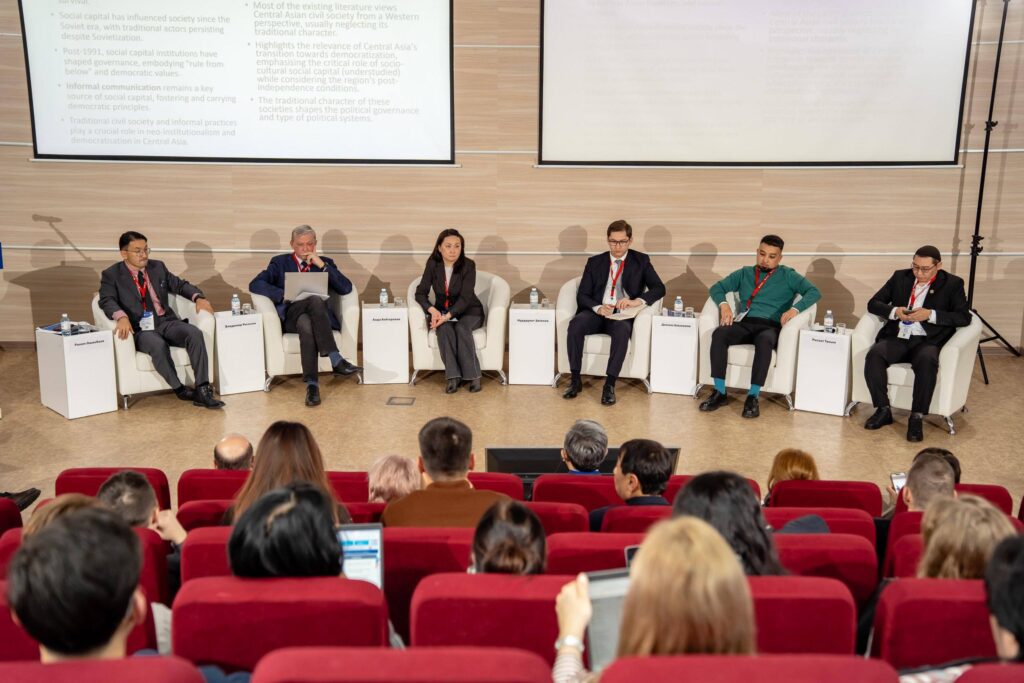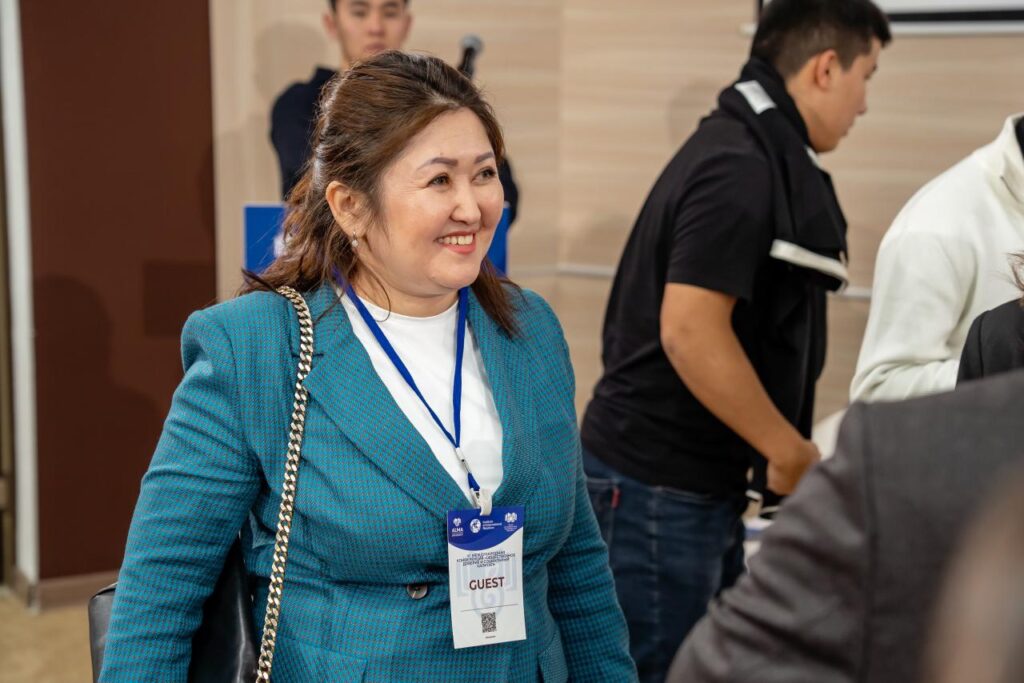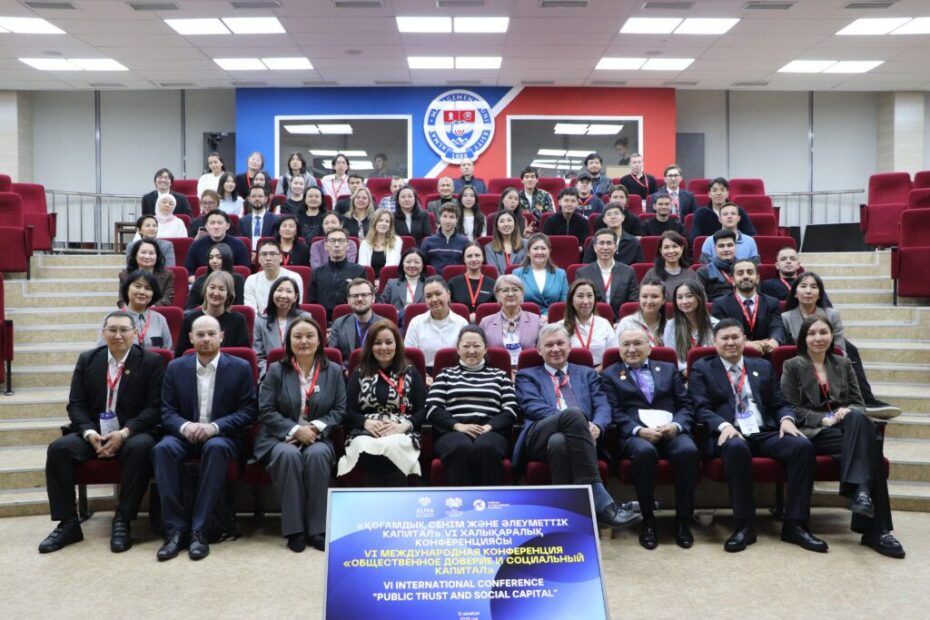
On December 12, 2025, the VI International Conference “Public Trust and Social Capital” was held at Almaty Management University (AlmaU). The main topics of discussion included trust dynamics among youth, the development of their social capital, and the impact of modern technologies, including artificial intelligence, on public institutions.
The conference brought together leading domestic and international experts, scholars, NGO representatives, as well as faculty members and students to exchange views on current trends in Kazakhstani society.
Discussions covered topics such as the formation of trust amid ongoing global and domestic changes, strengthening social capital among young people, the influence of artificial intelligence on trust in information and institutions, the emergence of new forms of civic engagement, and intergenerational differences in perceptions of institutions.
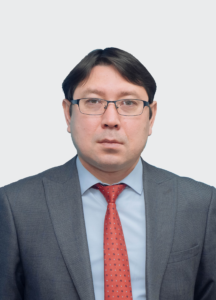
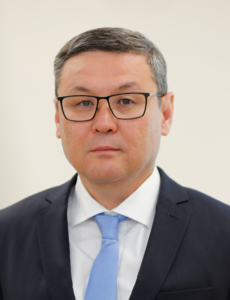
From the Kazakhstan Institute for Strategic Studies under the President of the Republic of Kazakhstan (KISI), the conference was attended by Assel Nazarbetova, Head of the Institute’s Almaty Office, and Nurdaulet Zatilla, Lead Expert of the Political Research Department.
During a panel session, N. Zatilla spoke about the institutions implementing youth policy in Kazakhstan. He emphasized the importance of further expanding civic engagement among young people, noting the country’s transition from a “for youth” approach to an inclusive “with youth” approach. According to the expert, this format has significant potential to positively influence the level of trust the younger generation places in state and public institutions.
A key part of the conference was the presentation of the AlmaU Trust Barometer 2025, which focused on patterns of trust among Kazakhstani youth. Notably, the survey revealed a high level of trust in the institution of the presidency among young people (68.9%), which aligns with the results of a nationwide sociological survey commissioned by KazISS, showing that overall trust in the President of Kazakhstan remains consistently high at 86%.
Following the international conference, participants unanimously concluded that modern Kazakhstani youth possess significant talent and immense potential for self-realization, strengthening social capital, and contributing to the country’s development.