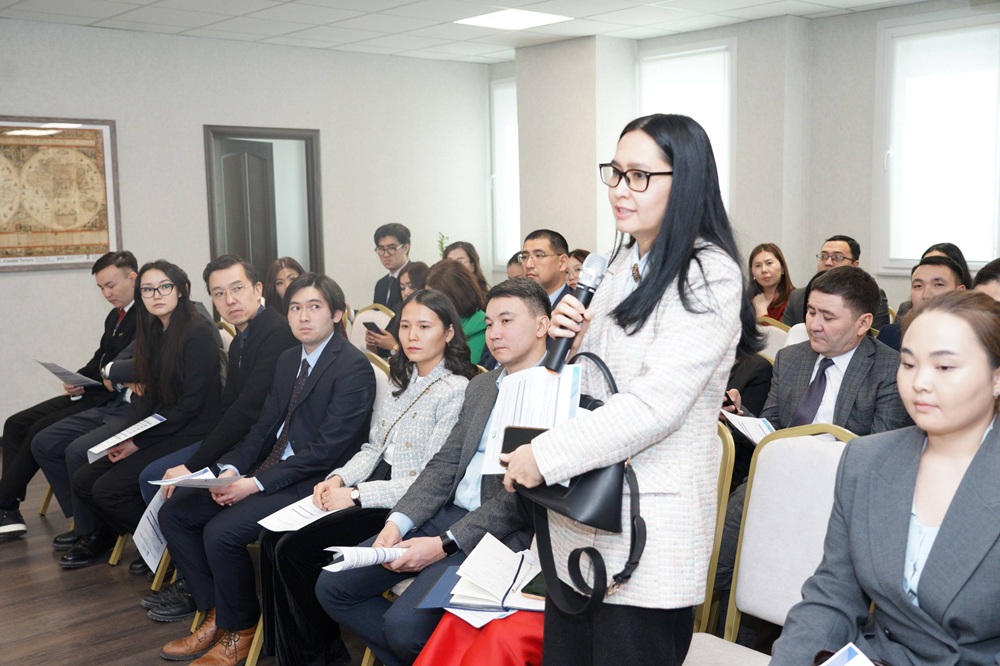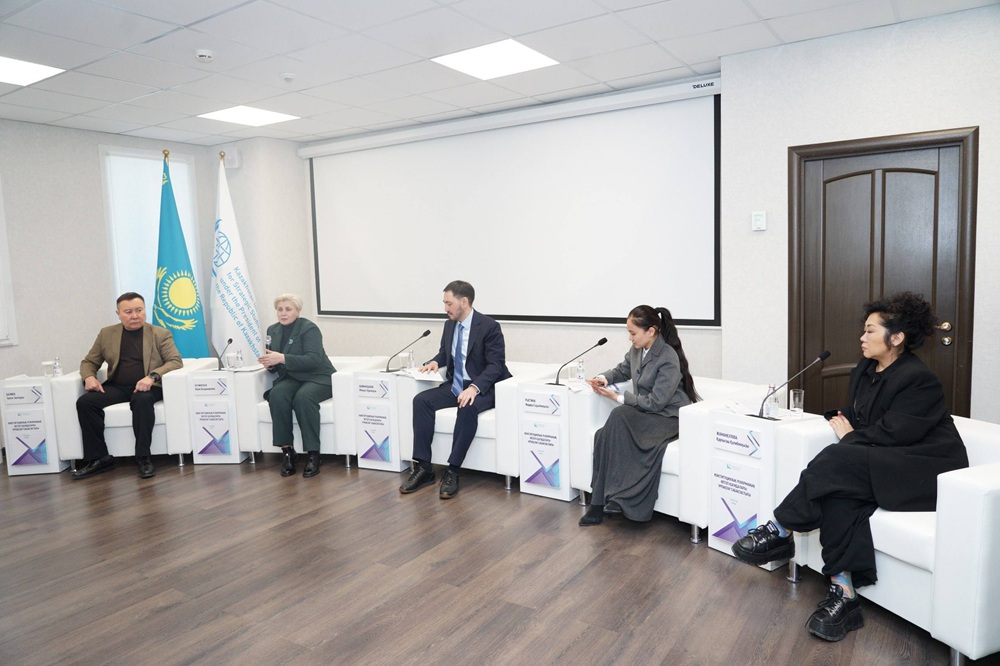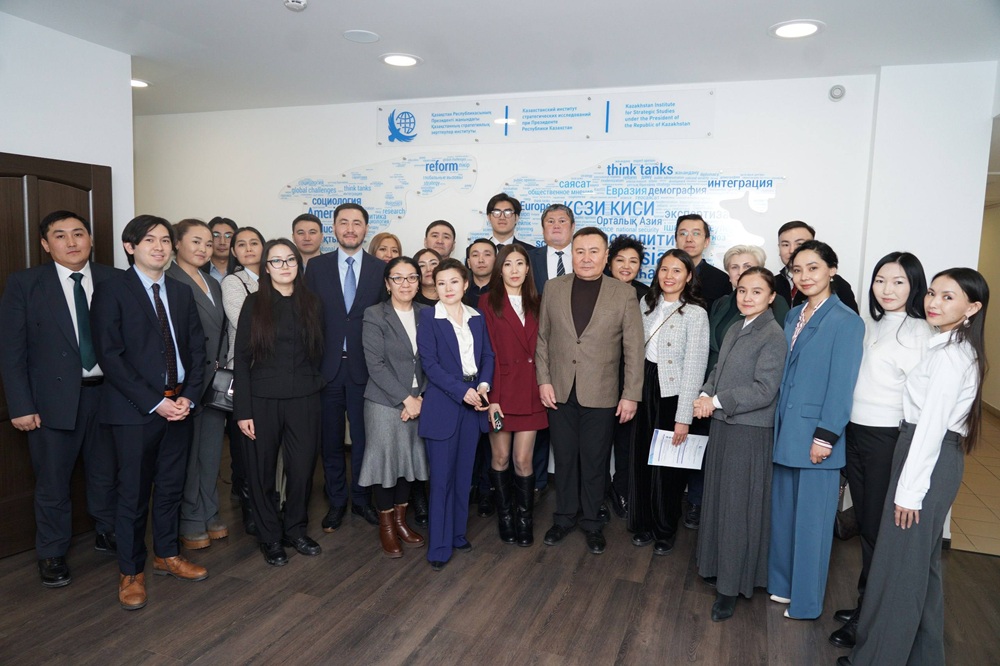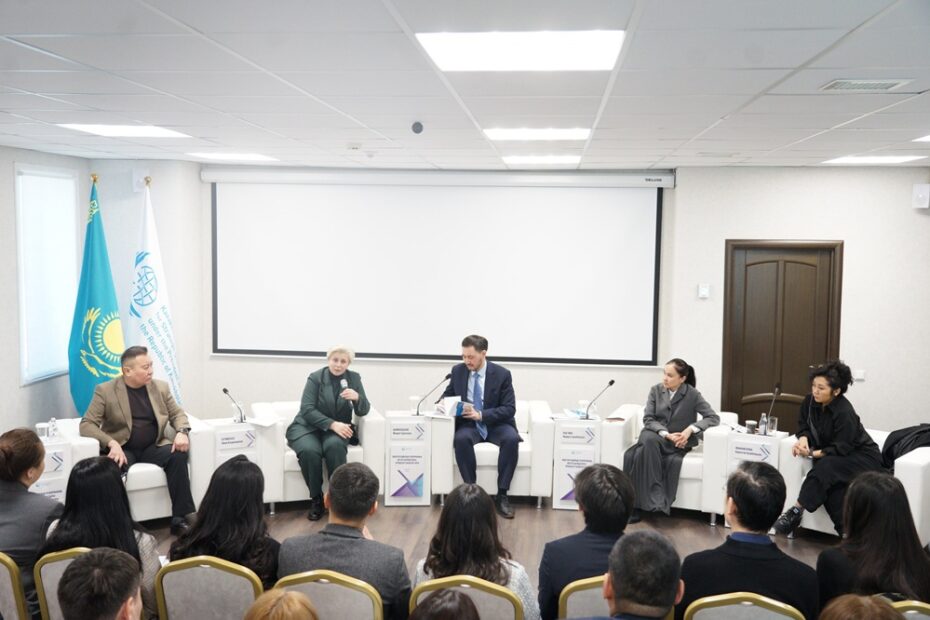
On February 27, the Kazakhstan Institute for Strategic Studies (KazISS) under the President of the Republic of Kazakhstan hosted a dialogue forum attended by members of the Constitutional Commission and young experts on the topic “Key provisions of constitutional reform: generational continuity”.
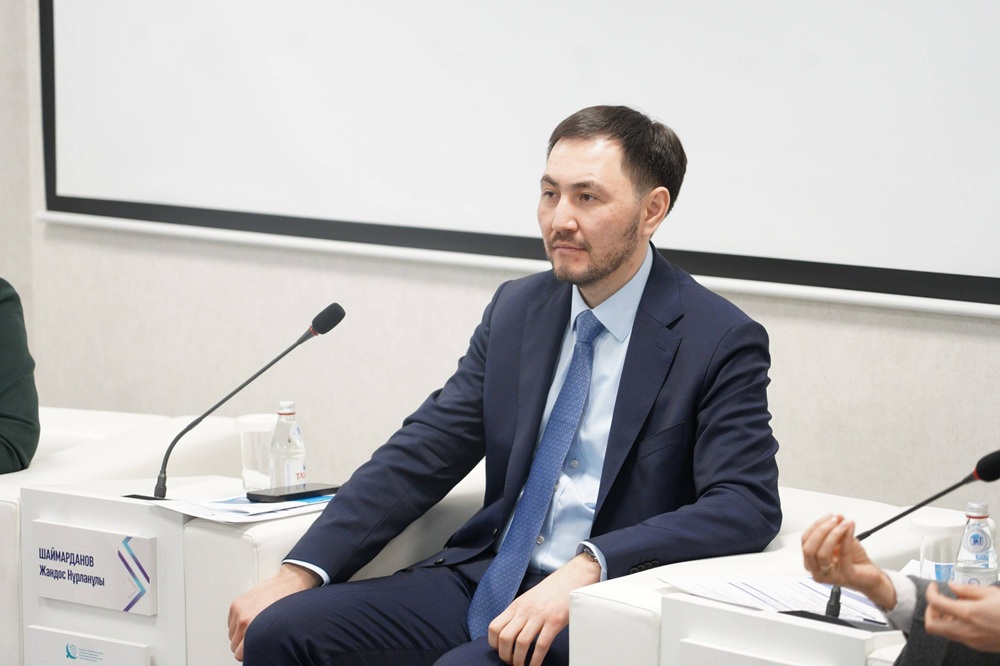
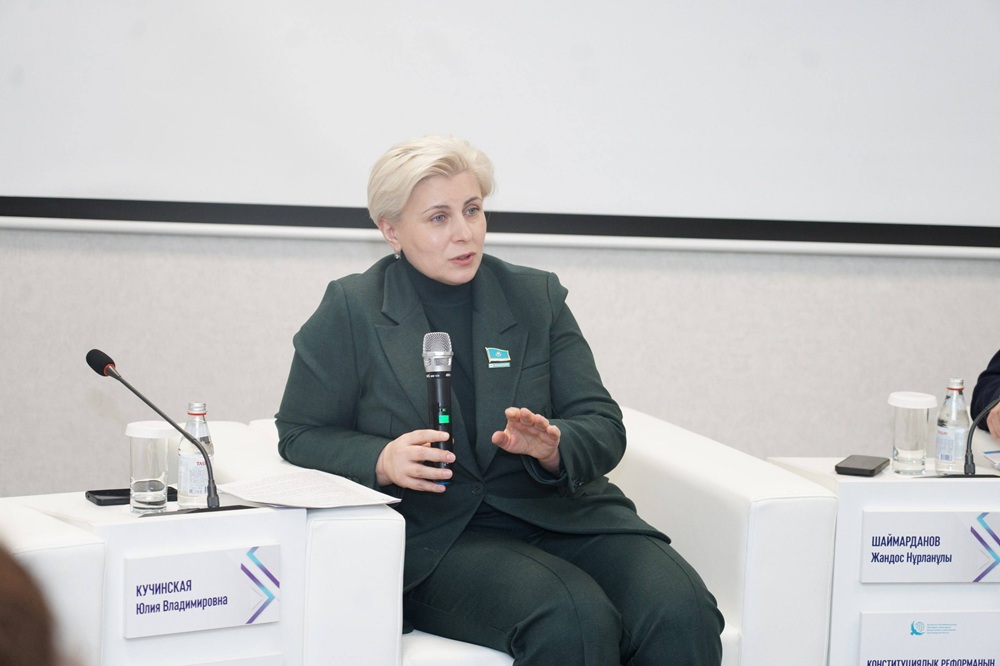
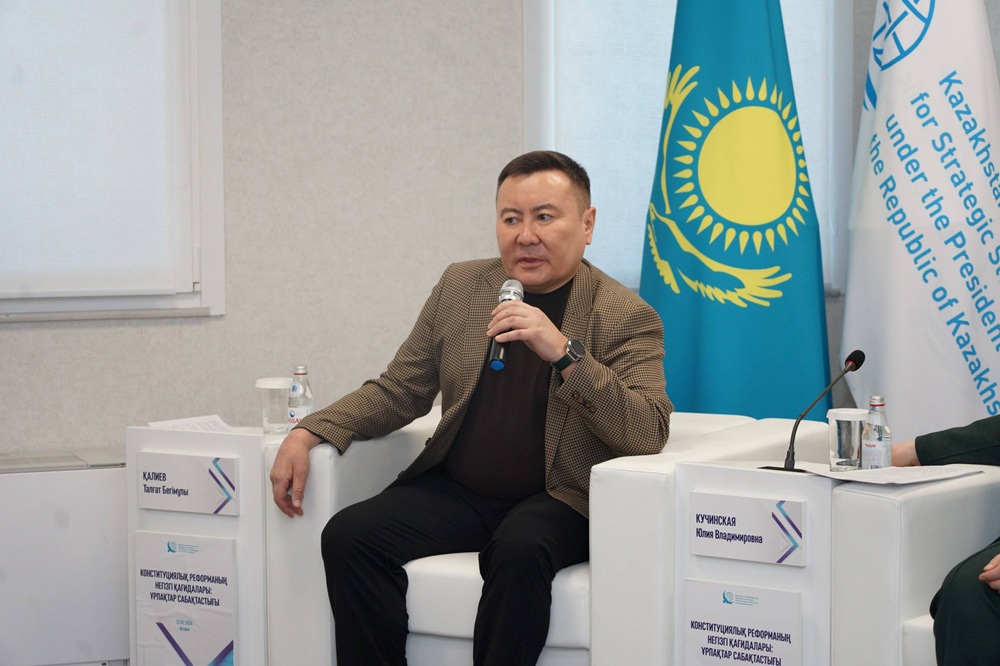
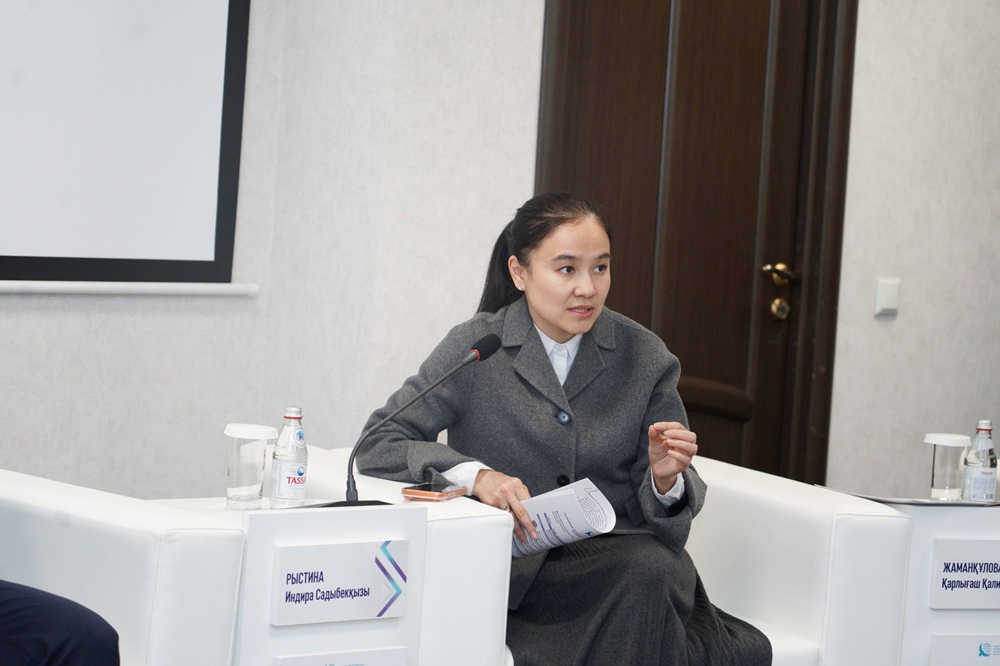
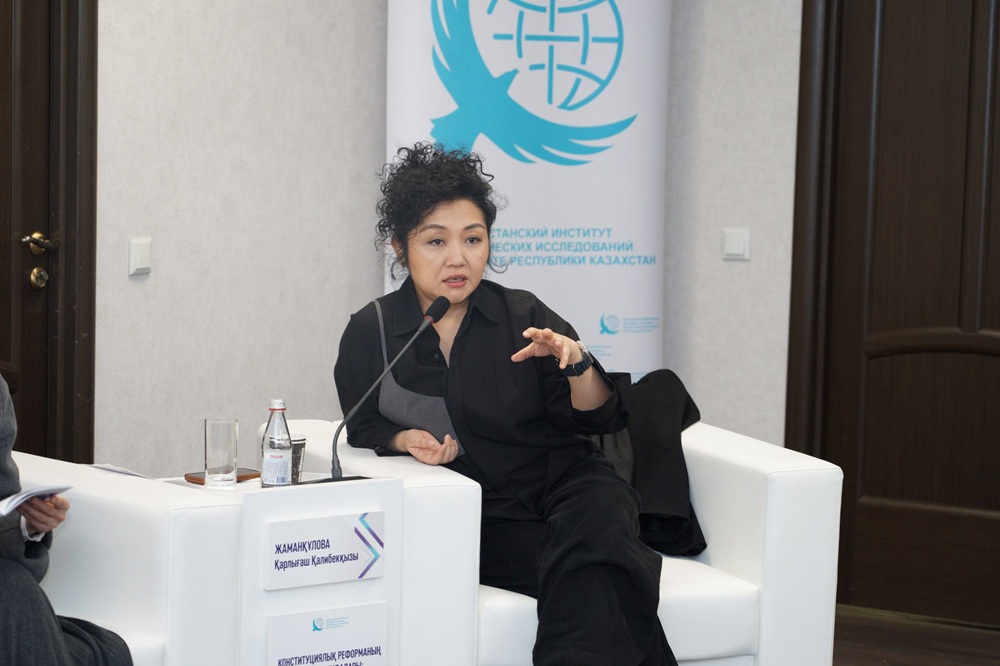
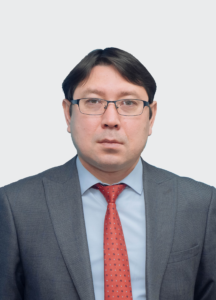
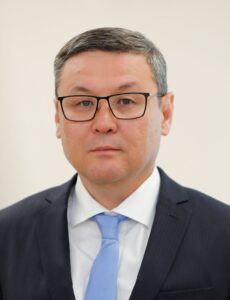
The speakers included Zhandos Shaimardanov, Director of KazISS under the President of the Republic of Kazakhstan, Yulia Kuchinskaya, Member of the Mazhilis of the Parliament of the Republic of Kazakhstan; Indira Rystina, Vice-Rector for Quality Assurance and Internal Control at L.N. Gumilyov Eurasian National University; political scientist Talgat Kaliyev; and Karlygash Jamankulova, President of the Adilsöz International Foundation for Protection of Freedom of Speech.
The event was attended by graduates of KazISS Programme for Support of Young Experts, staff of the Academy of Public Administration under the President of the Republic of Kazakhstan, members of School of Analytics under the Senate of the Parliament of the Republic of Kazakhstan, as well as representatives of the country’s leading research centres.
The meeting took the form of a question-and-answer session. The discussion focused on environmental agenda, protection of citizens’ housing rights, relationship between national and international law, transitional period for implementation of the Constitution, and new political institutions: Kazakhstan Halyk Kenesy (the People’s Council of Kazakhstan), the Kurultai (Forum) and the Vice-Presidency.
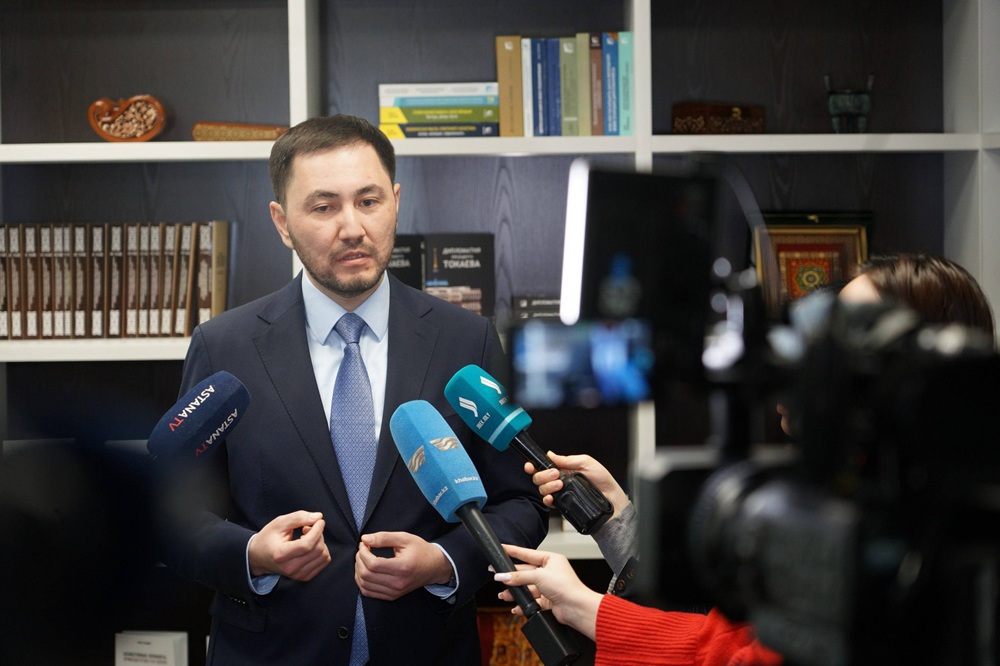
Responding to a question from young experts regarding stipulating the environmental safety in the draft new Constitution, KazISS Director Zhandos Shaimardanov emphasized that the document establishes comprehensive responsibility for both citizens and the state.
He drew attention to the provisions stipulating the duty to treat nature with care, the state’s strategic objective of environmental protection, and the liability of officials for concealing information that threatens the people’s lives and health.
“The draft new Constitution contains provisions that place direct responsibility for it on the citizens of our country, on state bodies, and, indeed, on the business sector,” explained the director of KazISS.
Political scientist Talgat Kaliev added that environmental provisions must be viewed through the values framework of the Preamble – as an expression of the current generation’s responsibility towards future generations.
“If the subsoil and resources belong to people, then the people are obliged to treat them as their own property – with care and respect,” underlined the political scientist.
Indira Rystina, Vice-Rector of L.N. Gumilyov Eurasian National University, clarified that stipulating environmental guidelines at the constitutional level forms a stable foundation for development of sectoral legislation.
“Any provision stipulated in the Constitution is subsequently implemented through specific legal mechanisms,” she explained.
Participants in the dialogue forum also raised the issue of protecting housing rights in the draft new Constitution. Mazhilis Deputy Yulia Kuchinskaya emphasized the importance of judicial mechanisms when reviewing eviction cases, particularly where families with children are concerned.
“It is important that the court considers not only the issue of eviction, but also the family’s future,” the Deputy stated.
Zhandos Shaimardanov explained that the proposed provisions aim to establish a balanced model combining the protection of tenants with respect for the rights of property owners.
“Citizens of the Republic of Kazakhstan have the right to private ownership of any lawfully acquired property. No one may be deprived of their property except by a court decision. This is the balance that is established in the updated social agreement, ” emphasized the director of KazISS.
Indira Rystina added that the logic of the draft Constitution is based on principles of “law and order”, and that the key tool for preventing disputes remains the proper formalization of contractual relationships.
Responding to a question from young participants at the event regarding law enforcement mechanisms during the transitional period – that is, from the moment the new Constitution is adopted by referendum until it comes into force – Yulia Kuchinskaya explained that in the event of a conflict between a provision of the Constitution and a provision of ordinary law, the Constitution will take precedence.
“The general date is July 1. Until then, the regulatory documents adopted under the current Constitution remain in force,” added Karlygash Jamankulova.
Indira Rystina emphasized that many provisions of the draft – for example, those concerning marriage and family are in fact already present in legislation and are being elevated to the constitutional level, which minimizes the risks of legal collisions.
Zhandos Shaimardanov noted that this is not a matter of refusing to fulfil international obligations, but of clarifying the mechanism for their implementation.
“We have discussed this issue with international experts as well. Before the international norm comes into force, it has to be adapted to national legislation. We are not abandoning our obligations, but we are changing the way they are applied,” he explained.
Talgat Kaliyev highlighted that, in the current climate, prioritizing the national legal framework serves as a tool for safeguarding sovereignty and does not diminish the country’s investment appeal.
Karlygash Jamankulova added that absolute models of supremacy of international law are rare, and that special legal regimes are already in place for investors in Kazakhstan.
“We have the AIFC in operation, where investors have access to a special tax regime. Opportunities for business remain,” she clarified.
A separate part of the discussion focused on new political institutions. Commenting on introduction of the position of Vice-President, Zhandos Shaimardanov underlined that this was an additional mechanism to ensure the stability of the governance system, rather than competing political institution.
According to him, this institution operates within the framework of powers defined by the President and is aimed at enhancing institutional stability.
In conclusion, the participants noted that a significant portion of the draft’s provisions has already been incorporated into the existing legal system and is being intergated into the Constitution, thereby ensuring continuity and reducing legal risks.
The dialogue platform served as a forum for a substantive intergenerational exchange of views and professional discussion on key areas of constitutional modernization.