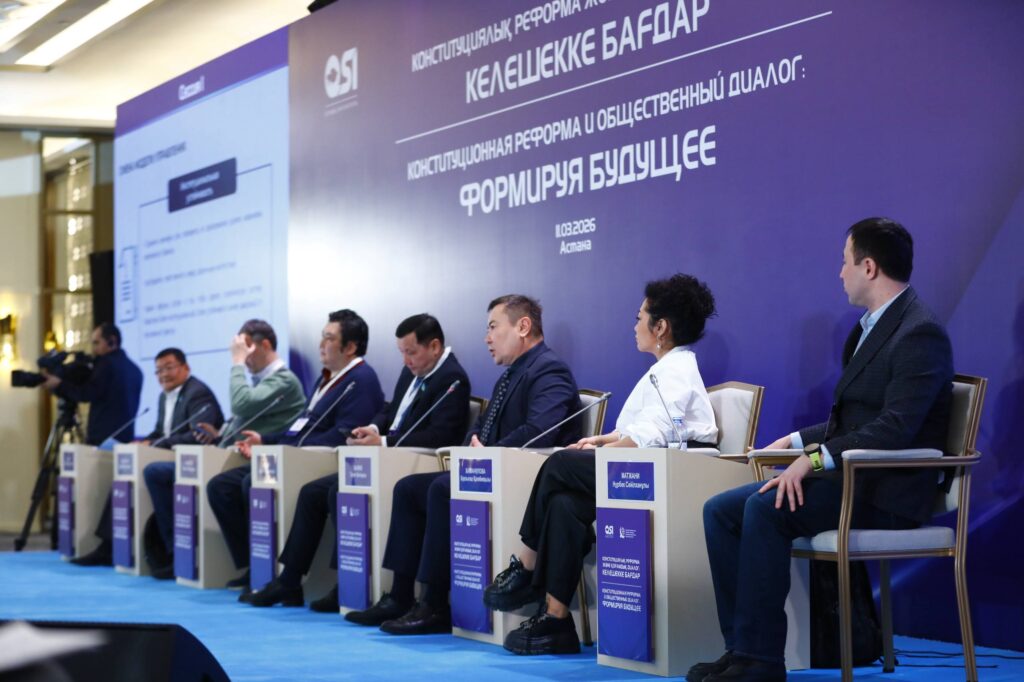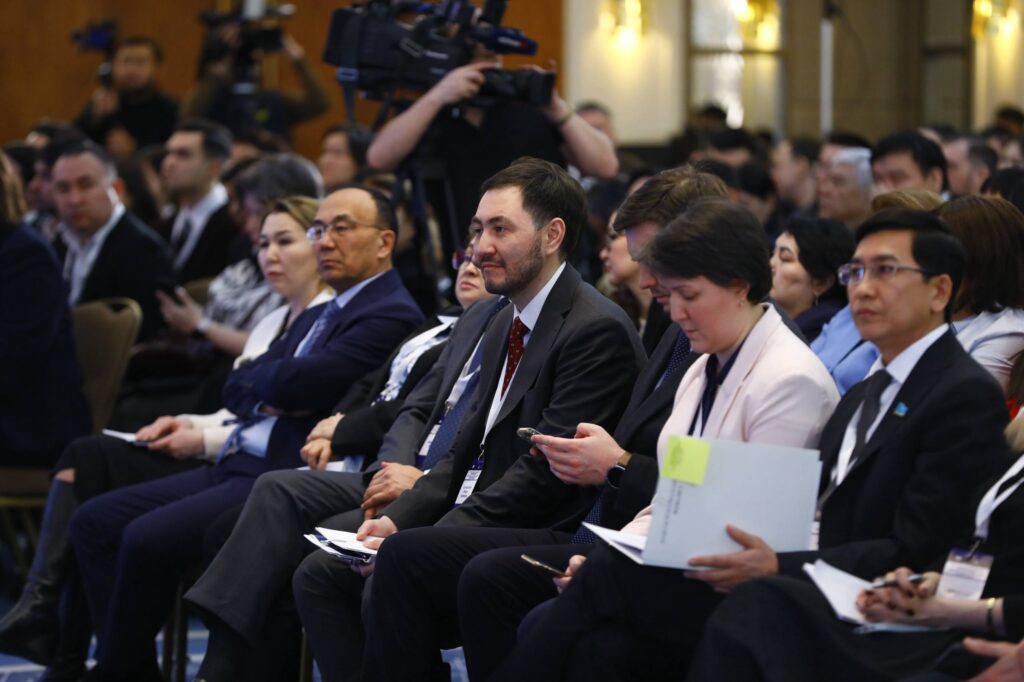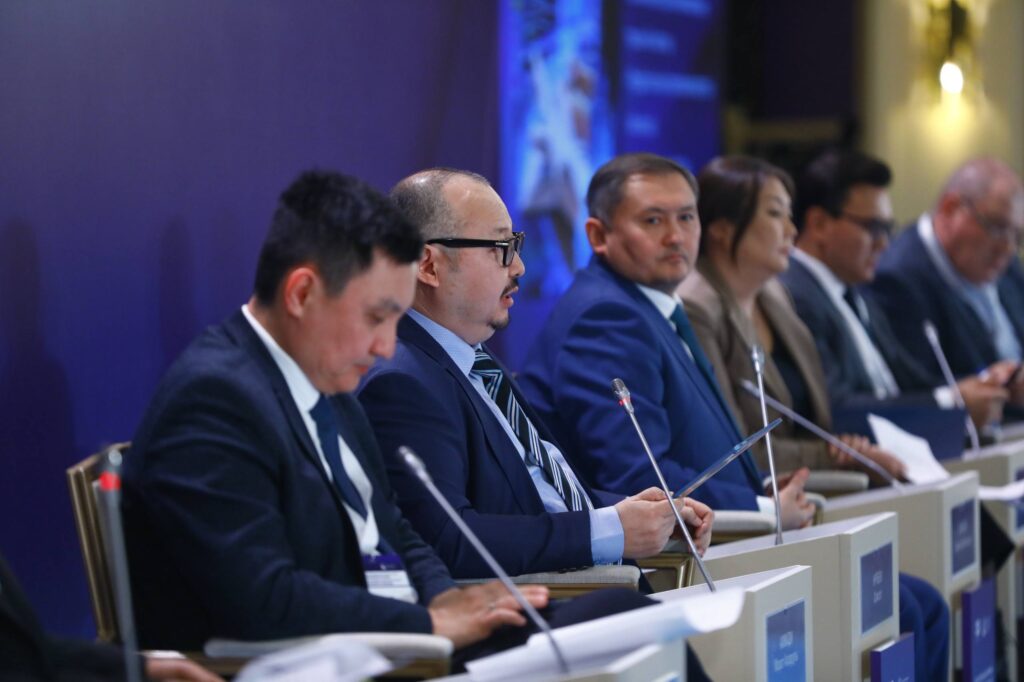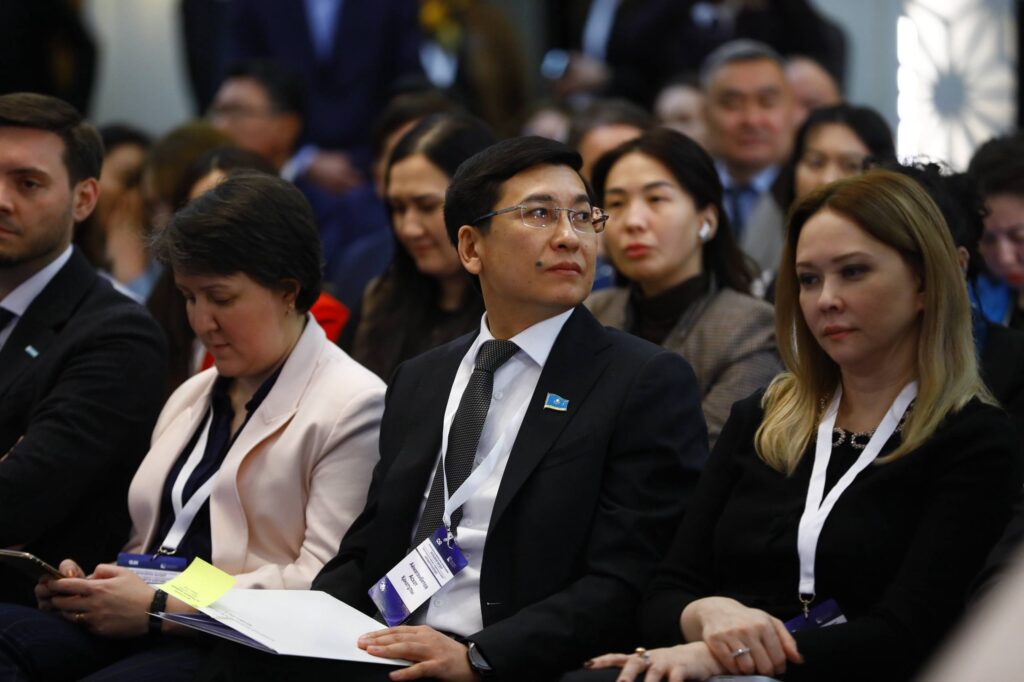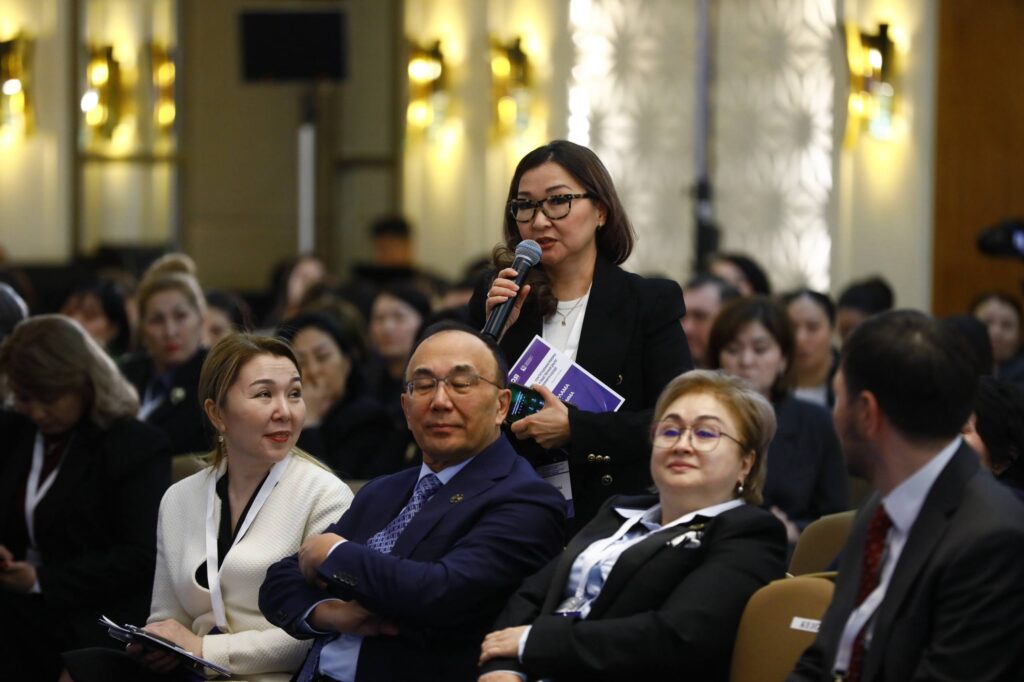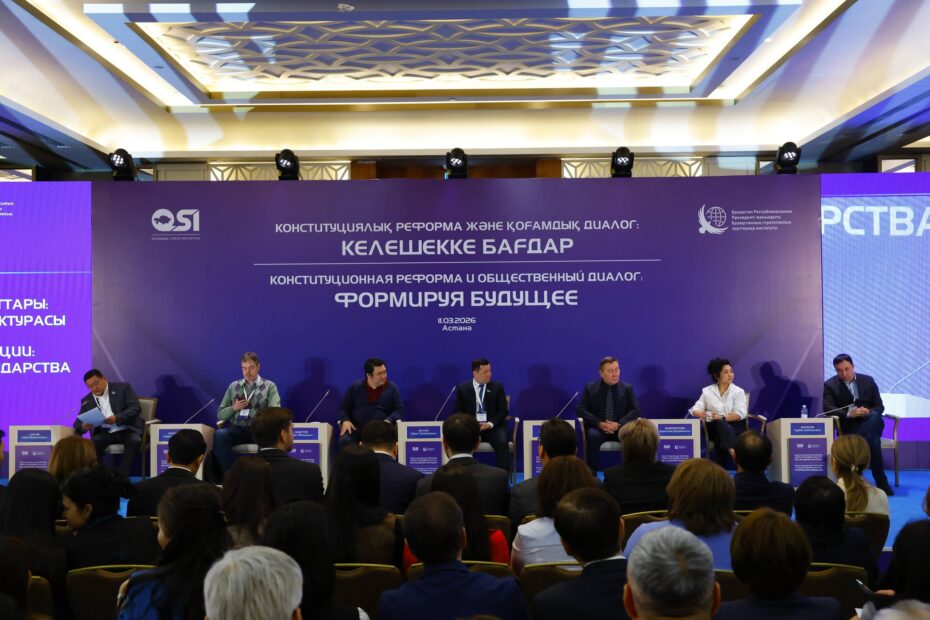
On March 11, an expert platform entitled “Constitutional Reform and Public Dialogue: Shaping the Future” was held in Astana attended by members of the Parliament, political scientists, representatives of the academic community, journalists and public figures.
Participants discussed key provisions of the draft new Constitution and institutional changes aimed at shaping the architecture of a sustainable state. Particular attention was paid to issues relating to development of a knowledge-based society, innovation and protection of citizens’ digital rights.
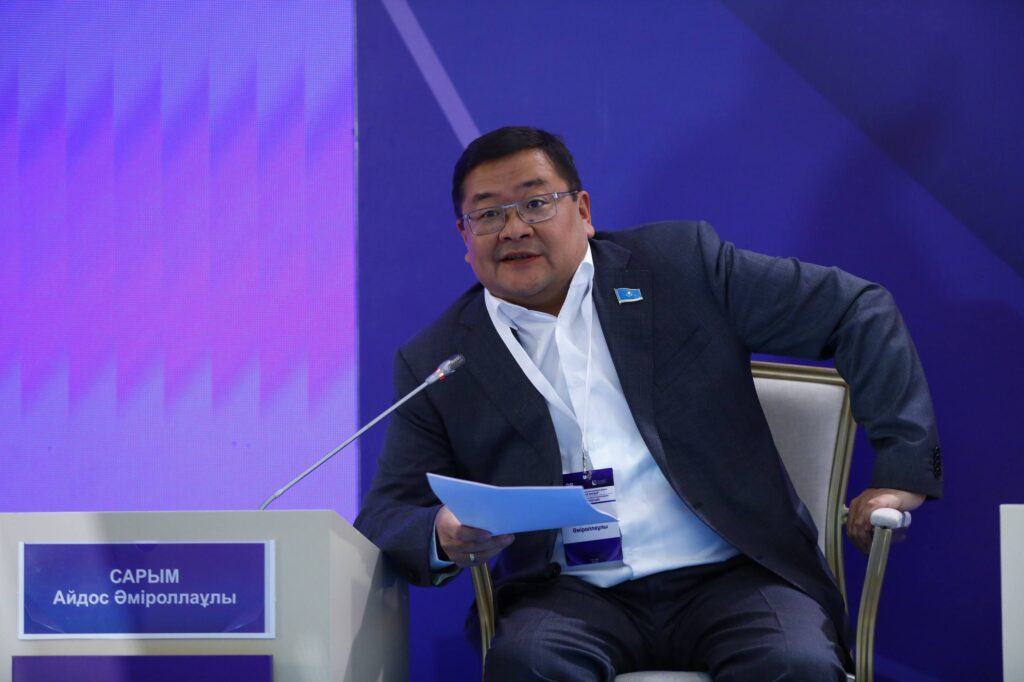
The first panel session was devoted to institutions of the new Constitution. It was moderated by Aidos Sarym, a member of the Mazhilis of the Parliament. During the discussion, experts examined the institutional changes in the draft new Constitution and their significance for stability of the political system.
So, the political scientist Andrei Chebotarev noted that the constitutional reform is aimed at strengthening the institutional foundations of state system.
- “At the same time, the new Constitution provides for expansion of mechanisms for public participation in decision-making. A multi-tiered system of public dialogue and expert consultation is being established, comprising the HalykKenesy, public councils, and local community meetings,” the expert stated.
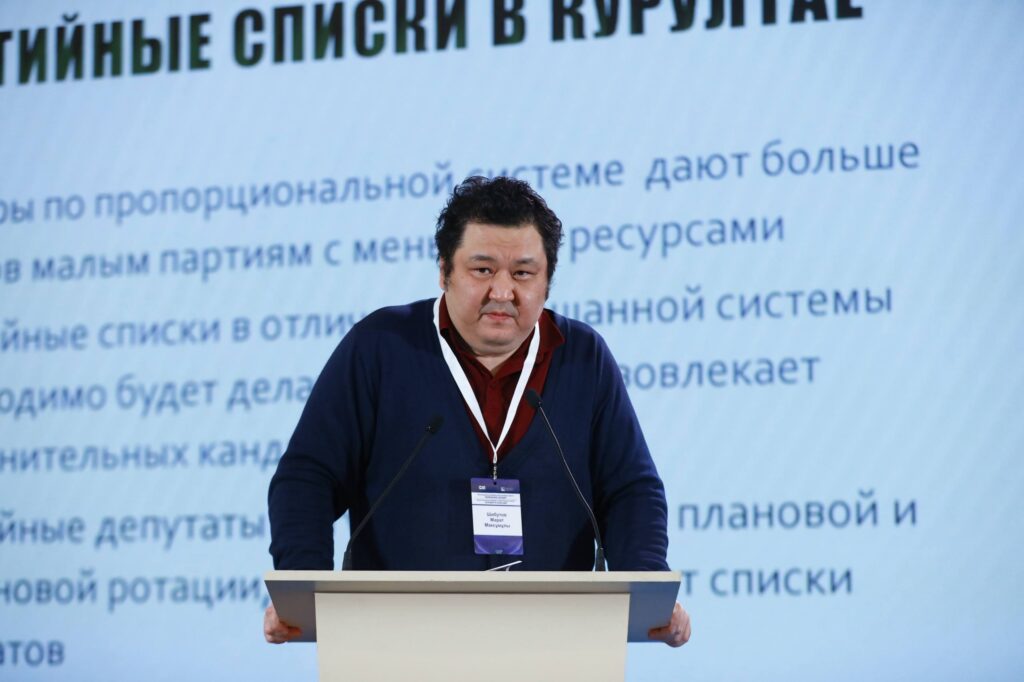
Marat Shibutov, a member of the Constitutional Reform Commission, presented an analysis of how the draft of the new Constitution expands the citizens’ participation in political life.
–“Expanding the party representation in the Kurultai (Forum) and enhancing the role of the Kazakhstan Halyk Kenesy (People’s Council of Kazakhstan) creates a more distributed system of political representation. This helps to involve a greater number of civil society and political actors in the decision-making process and strengthens the institutional stability of political system”, noted M. Shibutov.
Abzal Kuspán, a member of the Mazhilis, noted that the draft Basic Law is aimed at strengthening guarantees of human rights and freedoms.
– “The document incorporates a number of new mechanisms for protection of the individual, including expanding citizens’ access to the Constitutional Court, strengthening the role of the legal profession, and introducing legal provisions similar to the international “Miranda rights” practice, which requires that the rights of detained persons be explained to them – underlined A. Kuspán.
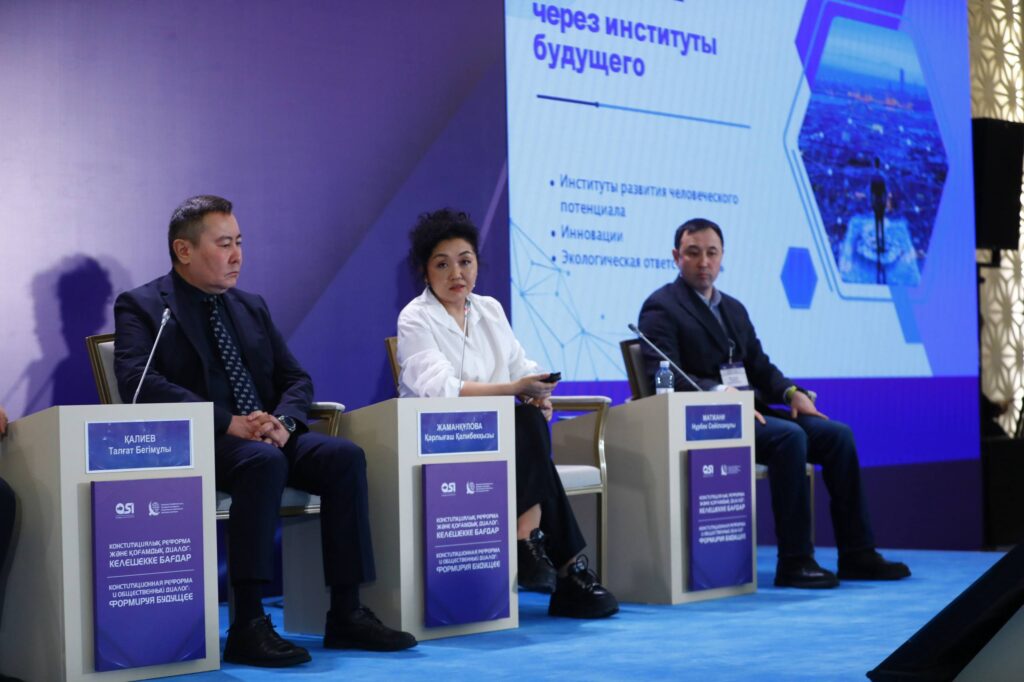
Political scientist Talgat Kaliyev stated in his speech that the constitutional reform reflects a transition from a model of political system, the stability of which was largely ensured by personal factors, to a more institutional system based on rules, procedures and the balance of powers.
Karlygash Jamankulova, President of Adilsöz International Foundation for Defence of Freedom of Speech, noted that the new Constitution is underpinned by values, in particular, the values of public dialogue and freedom of speech.
“We know that we have freedom of speech; censorship is prohibited, it means that a space for pluralism is guaranteed, along with the opportunity to view various issues from different perspectives. And this applies to all institutions involved in public dialogue”, said the public figure.
Journalist and expert Nurbek Matzhani focused on the issues of freedom of speech and responsibility.
– “The new Constitution reinforces the right of every individual to freely express their views, whilst establishing legal mechanisms to protect the honour, dignity and privacy of citizens,” the expert emphasized.
Among the fundamental guarantees, he highlighted the direct constitutional ban on censorship and the reinforcement of freedom of scientific, technical and artistic creativity.
The second panel session, dedicated to issues of education, innovation and digital rights, was moderated by Mazhilis deputy Askhat Aimagambetov. Participants discussed the impact of constitutional reform on development of human capital, science, innovation and digital environment.
During the session, political scientist Gaziz Abishev emphasized the importance of stipulating the secular nature of the state and the education system in the draft new Constitution.
– “These provisions are aimed at maintaining a balance between freedom of conscience and the principle of a secular state, as well as at preventing the politicization of religion and preserving social harmony”, noted G. Abishev.
Professor of Maqsut Narikbayev University Marat Akhmadiy noted that, in today’s world, human capital is becoming the primary strategic resource. According to the expert, securing the priorities of science, education and innovation in the Constitution forms the institutional foundation for Kazakhstan’s transition to a knowledge-based economy and for enhancing its competitiveness.
Sayasat Nurbek, Minister of Science and Higher Education of the Republic of Kazakhstan, expressed the opinion that technological breakthroughs have strengthened inequality and imbalances – regional, geographical, technological and economic.
– “In this regard, I am delighted that issues relating to innovation, human capital, education and science are becoming central to the new Constitution, forming its strategic priorities and core values,” noted S. Nurbek.
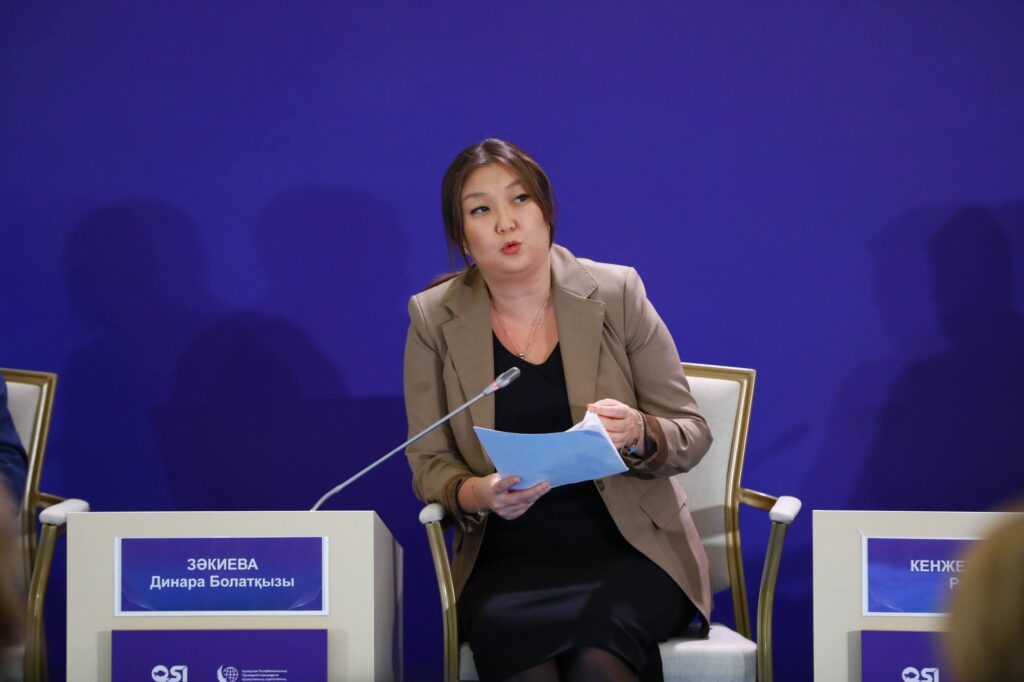
Dinara Zakiyeva, the Children’s Ombudsman in Kazakhstan, underlined that the draft of the new Constitution strengthens the system for protection of human and children’s rights.
– “The document stipulates additional guarantees for support of the family, motherhood and childhood, and also emphasizes the people-centred nature of state policy,” noted Dinara Zakiyeva.
Rauan Kenzhekhany, founder of Bilim Group, shares this view noting that in the 21st century, a society’s intellectual potential is becoming a key factor in its development.
– “Development of education, science and innovation forms a basis of knowledge society, which is becoming the main source of sustainable economic growth,” emphasized R. Kenzhekhanyuly.
Political scientist Eduard Poletayev underlined that the modern Constitution fulfils not only a legal but also a strategic function, setting the value framework for the long-term development of the state.
Following the expert forum, participants noted that the new Constitution establishes the institutional and value foundations for Kazakhstan’s further development, aimed at strengthening human rights, developing a knowledge-based society and enhancing the resilience of the state system in the face of global changes.