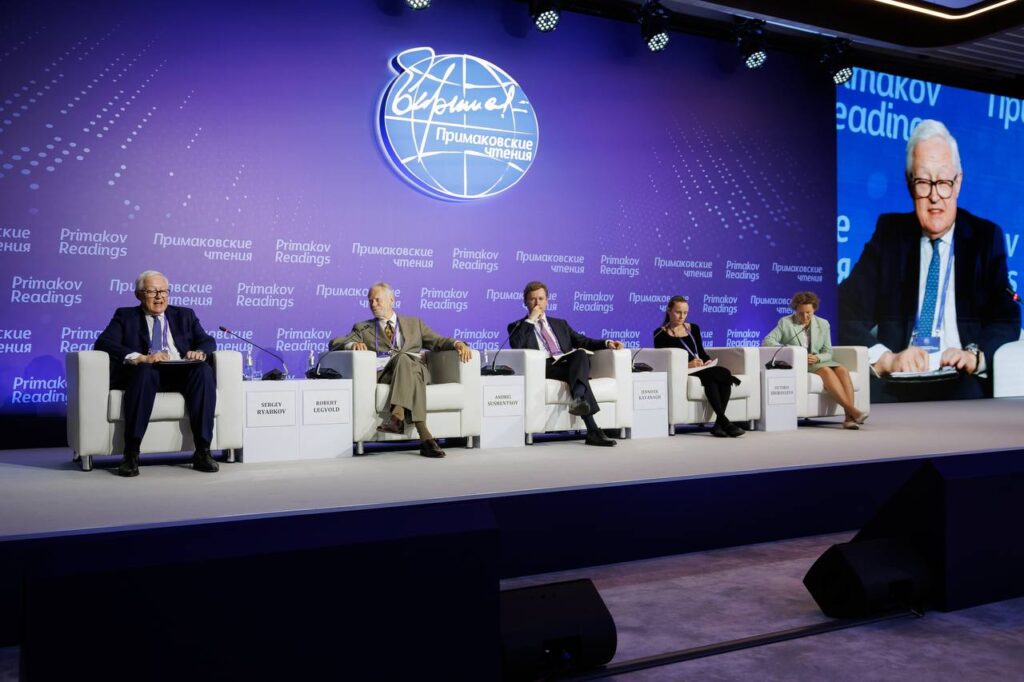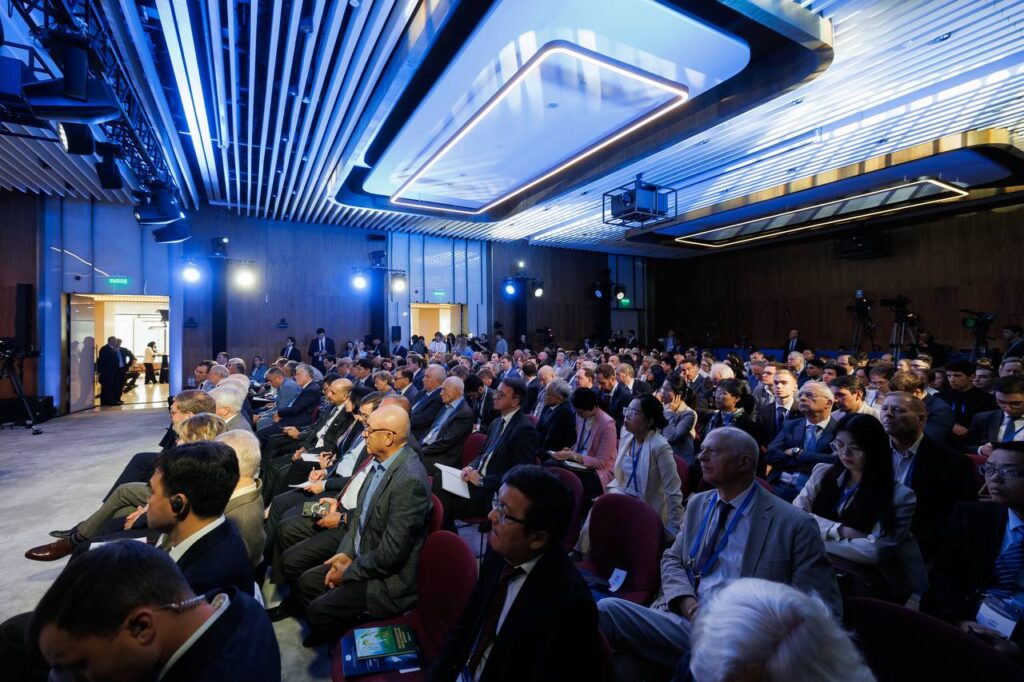
On 23–25 June 2026, Moscow hosted the 12th International Scientific and Expert Forum “Primakov Readings”. The event was organized by the Primakov National Research Institute of World Economy and International Relations of the Russian Academy of Sciences (IMEMO RAS) and the Yevgeny Primakov Center for Foreign Policy Cooperation.
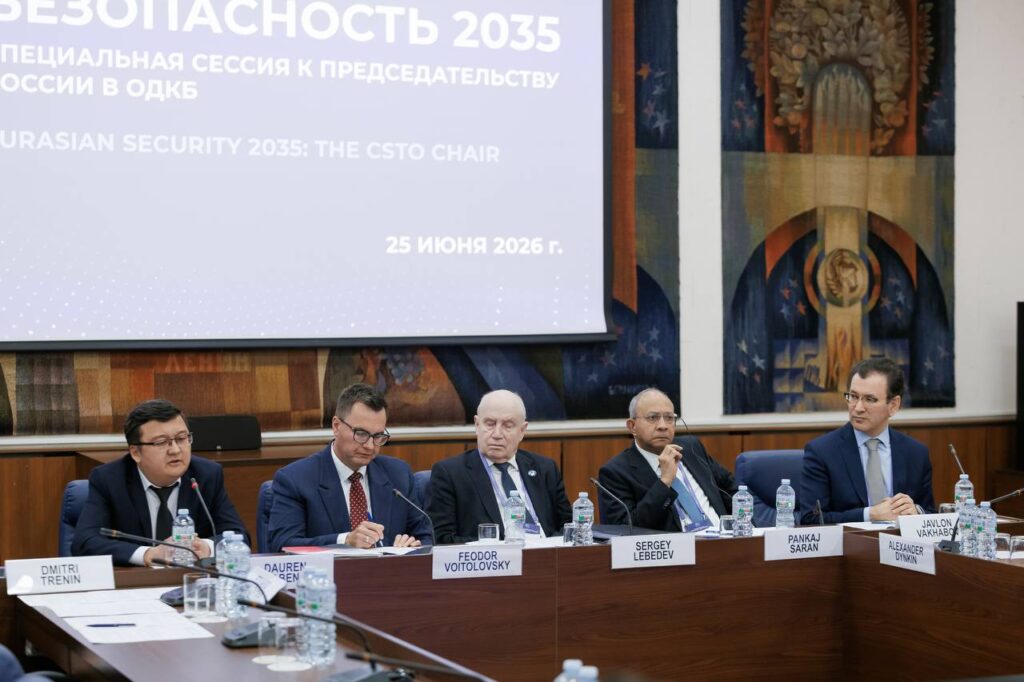
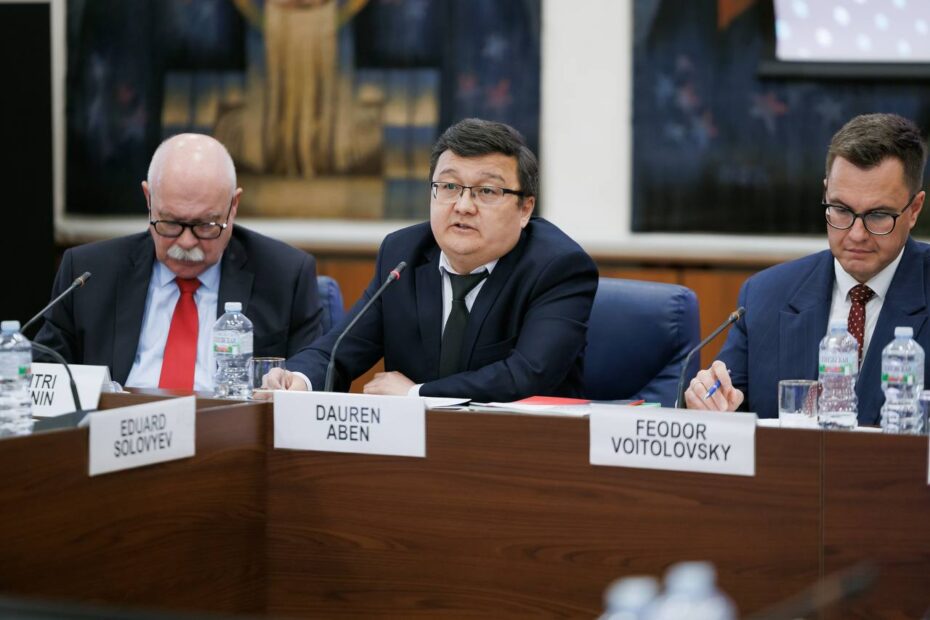
Held under the theme “A World Without Rules: The Power Game?”, the forum brought together leading Russian and international experts from 20 countries specializing in international security, global politics and economics, as well as representatives of civil society organizations and the diplomatic corps. Dauren Aben, Deputy Director of the Kazakhstan Institute for Strategic Studies (KazISS) under the President of the Republic of Kazakhstan, participated in the forum as a speaker.
The Primakov Readings programme focused on key challenges facing global politics and the world economy. Discussions addressed the global implications of regional conflicts, the domestic dimension of U.S. foreign policy, the evolving conflict in the Middle East, emerging scenarios for the future world order, barriers and risks to global trade and investment, international competition in artificial intelligence, and a new phase of military-technological rivalry.
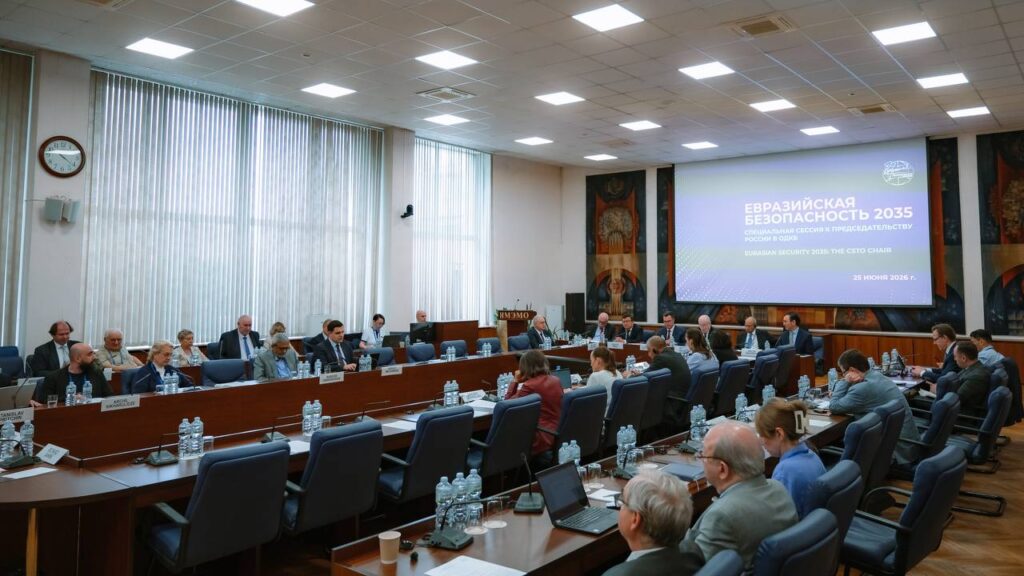
Mr. Aben delivered his remarks during the strategic session “Eurasian Security 2035”, dedicated to Russia’s Chairmanship of the Collective Security Treaty Organization (CSTO).
In his presentation, the Deputy Director of the Kazakhstan Institute for Strategic Studies noted that the contemporary international system is undergoing profound transformation, marked by shifts in the global balance of power, the growing influence of middle powers, and the increasing importance of regional dynamics. Against this backdrop, defining the contours of the emerging world order and adapting regional security mechanisms have become issues of critical importance.
He emphasized that Kazakhstan’s approach to security is grounded in the principles of good-neighborliness, the interdependence of national and regional security, and the prioritization of long-term cooperation over confrontation.
According to Mr. Aben, ensuring security in Eurasia under current conditions is beyond the capacity of any single state or international institution. He noted that Kazakhstan views its bilateral cooperation with Russia, together with its participation in the United Nations (UN), the Collective Security Treaty Organization (CSTO), the Shanghai Cooperation Organisation (SCO), the Conference on Interaction and Confidence Building Measures in Asia (CICA), the Commonwealth of Independent States (CIS), and other multilateral mechanisms as complementary elements of a unified regional security architecture.
He further stressed that the future Eurasian security system should be built upon open and inclusive cooperation based on a balance of interests, mutual respect, and the joint search for solutions to common challenges.
The Deputy Director of the Kazakhstan Institute for Strategic Studies also highlighted the growing role of Central Asia in shaping the future regional security architecture. He noted that the region is increasingly asserting itself as an independent participant in international affairs and as an important platform for dialogue and cooperation.
According to Mr. Aben, the long-term stability of Eurasia will depend on the ability of states to balance inevitable competition with the development of effective mechanisms for cooperation, while preventing the emergence of new dividing lines and adhering to the principle of indivisible security, whereby the security of one state should not be ensured at the expense of the security of another.
Photos provided by IMEMO RAS.