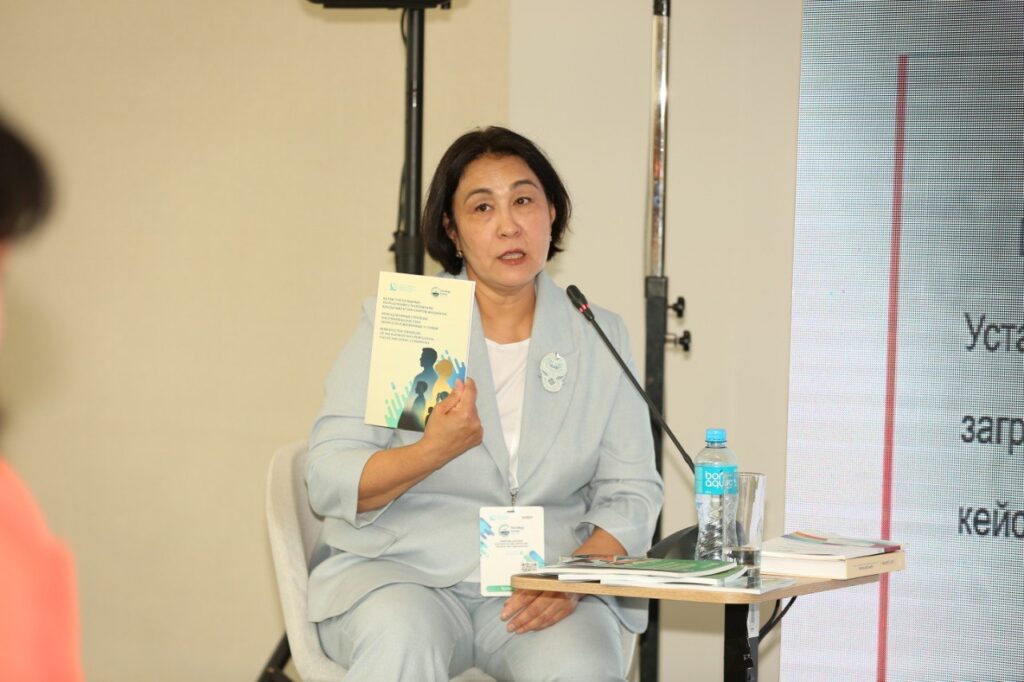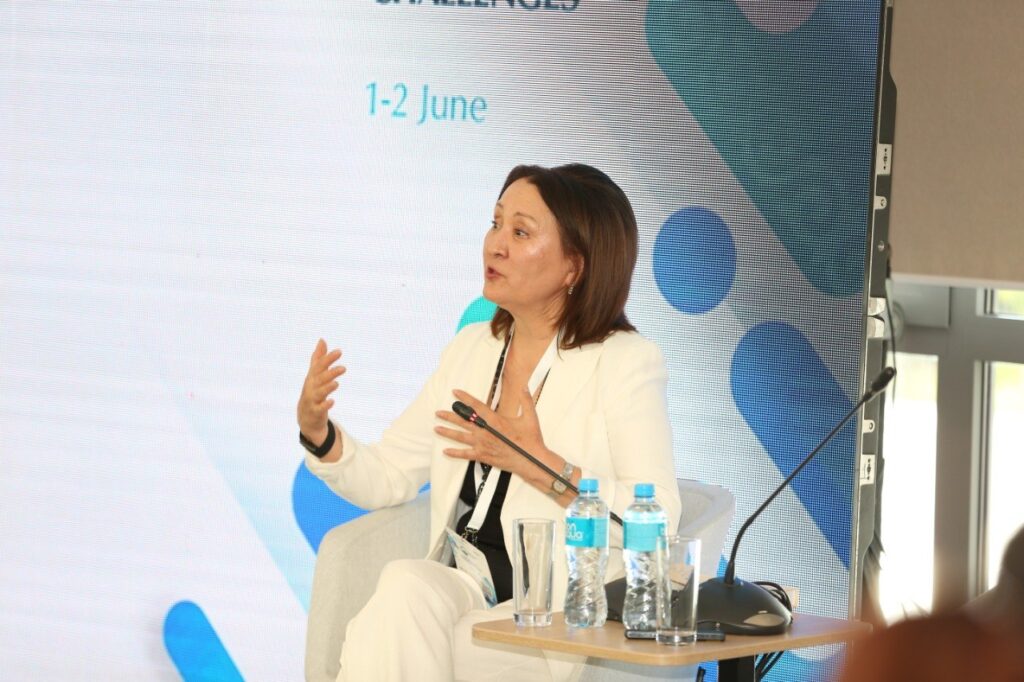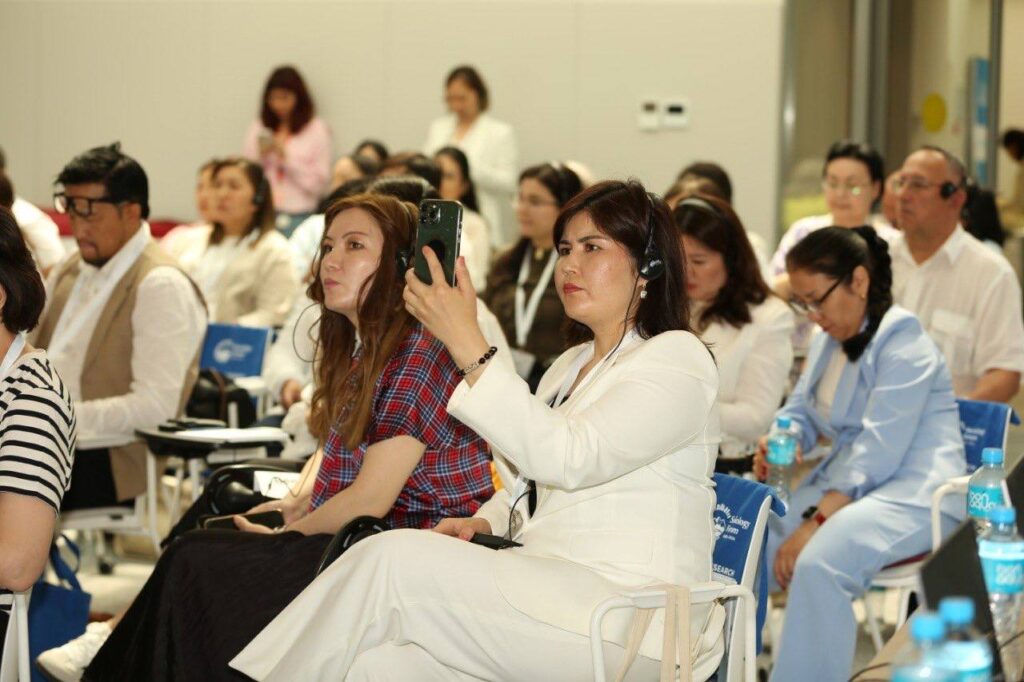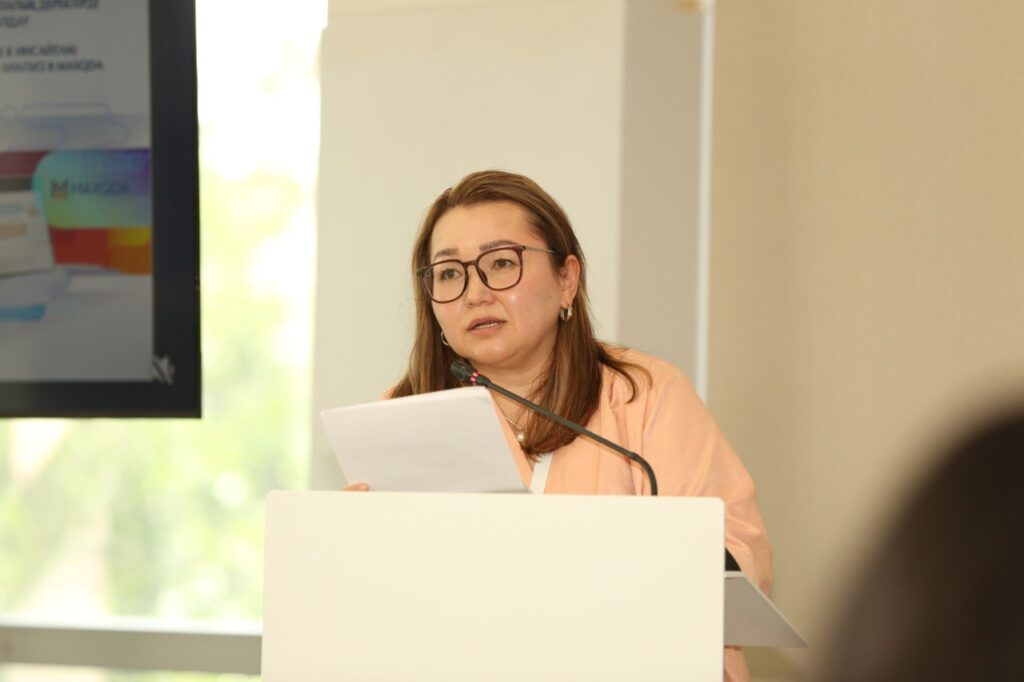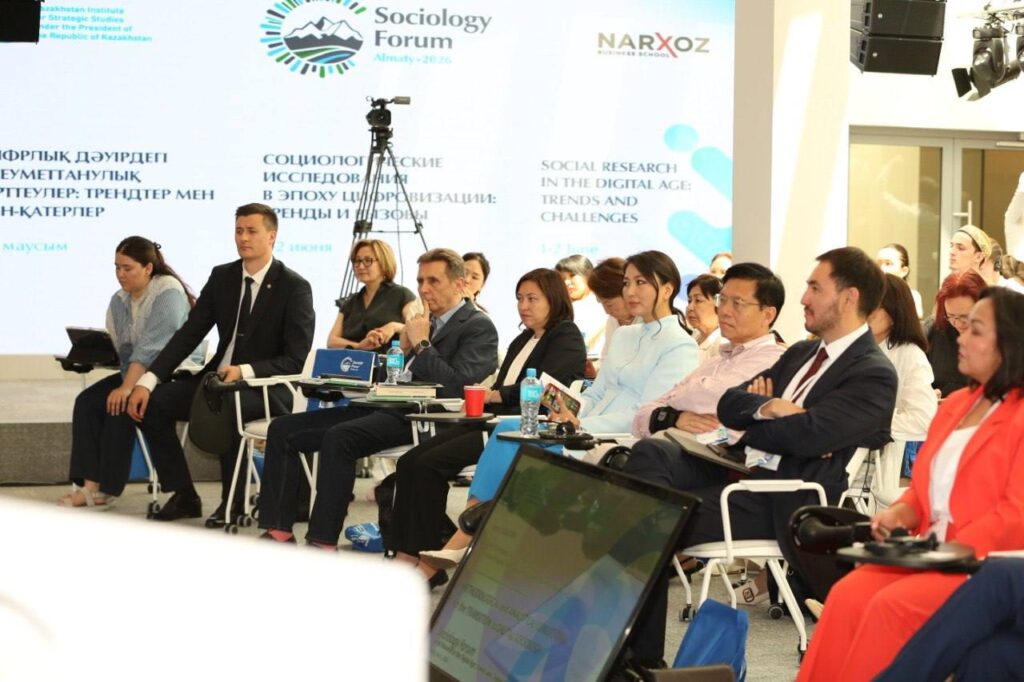
On June 1, 2026, in Almaty, as part of the Sociological Forum “Social Research in the Digital Age: Trends and Challenges,” a presentation was held of a monograph and analytical reports prepared by the Kazakhstan Institute for Strategic Studies under the President of the Republic of Kazakhstan (KazISS).
The forum was organized by the Kazakhstan Institute for Strategic Studies under the President of the Republic of Kazakhstan and Narxoz University NJSC.
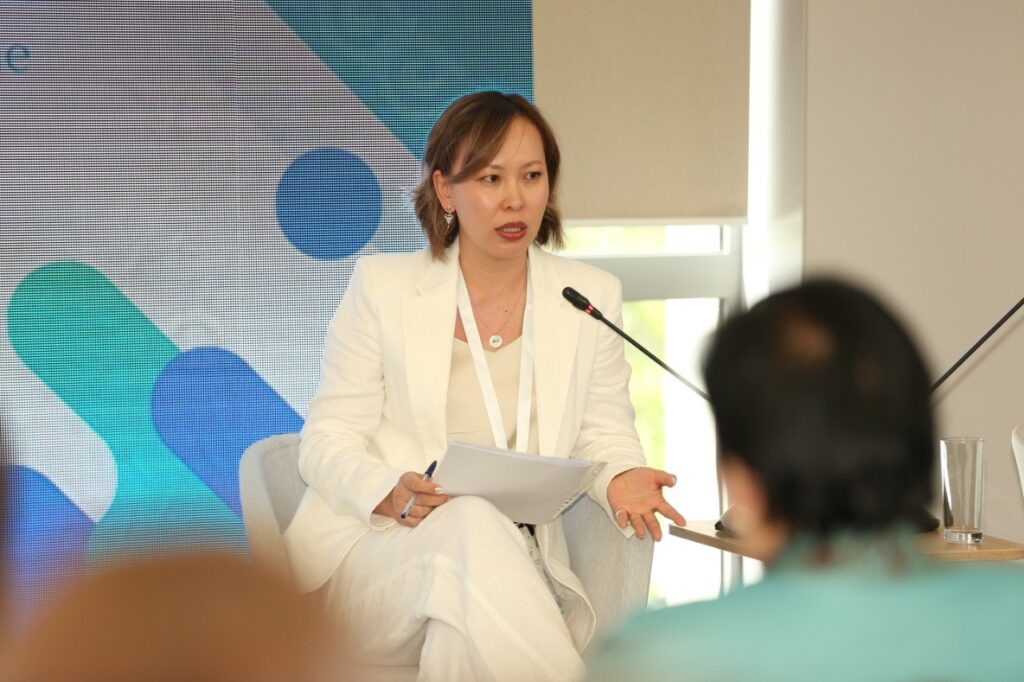
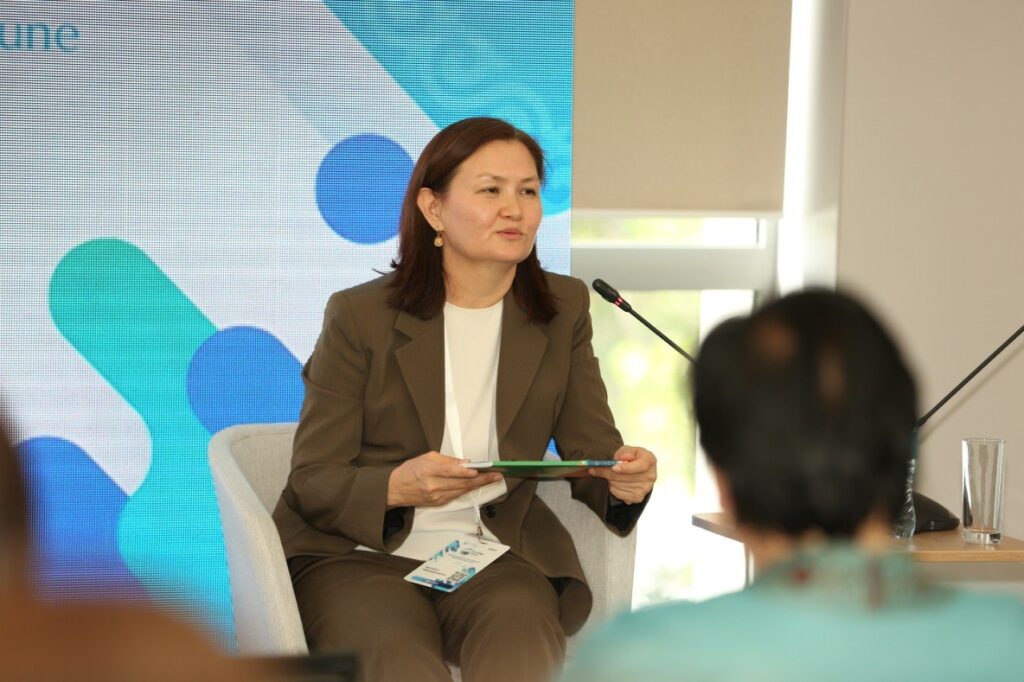
The presentation was moderated by Aigul Kosherbayeva, Secretary for Academic and Research Affairs of KazISS.
During the event, new research publications of KazISS were presented, focusing on social transformations in Kazakhstani society, education, demographic development, reproductive strategies, as well as modern methods of qualitative data analysis.
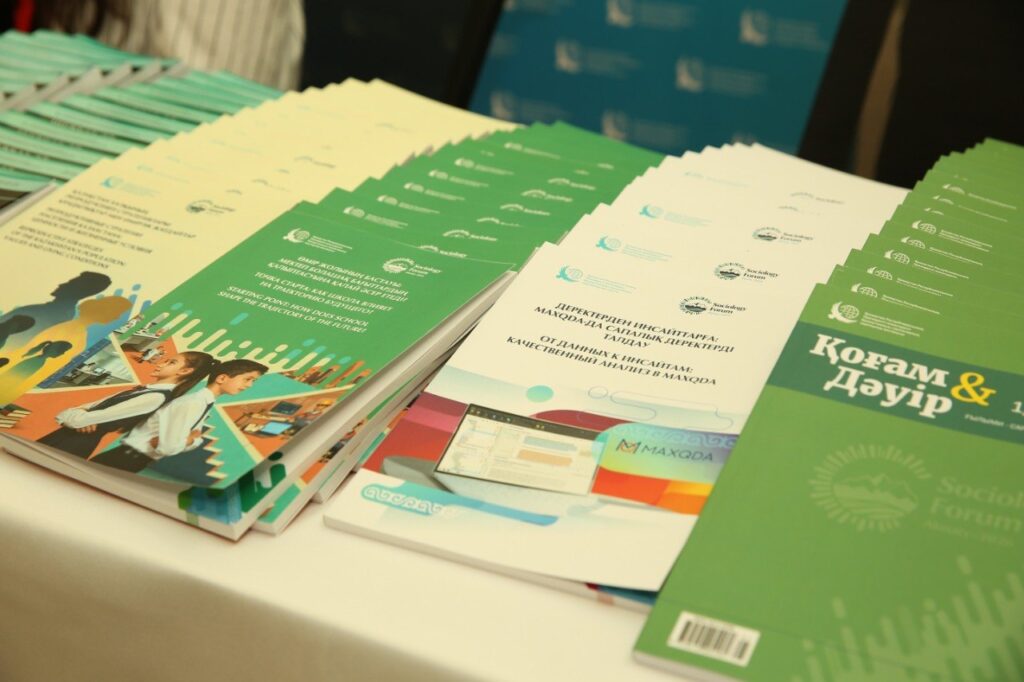
One of the key publications was the monograph by Aigul Zabirova, Chief Research Fellow at KazISS under the President of the Republic of Kazakhstan, titled “The Human Mirror: Languages of Self-Description in Contemporary Kazakhstan.” The work is based on data from six nationally representative surveys conducted in 2024–2025 and on the author’s corpus of sociological research spanning more than twenty years. The monograph examines the languages through which Kazakhstani society describes itself, its values, practices, expectations, and perceptions of what is normal, fair, and acceptable.
Also presented was the methodological guide “From Data to Insights: Qualitative Analysis in MAXQDA,” prepared by the team of authors from KazISS under the President of the Republic of Kazakhstan, comprising Saltanat Yermakhanova, Head of the Public Opinion Monitoring Department, and Chief Experts Zhanar Nakipbayeva and Gulnaz Kassimova.
The guide is a practice-oriented manual for working with qualitative data. It consistently examines the stages of data preparation, coding, category development, interpretation, and visualization of results. In the guide, MAXQDA is presented not only as a technical tool but also as a means of structuring research thinking and increasing the transparency of analytical work.
The analytical report “Starting Point: How Does School Shape the Trajectory of the Future?”, prepared by the same team of authors and presented at the Forum, is based on the results of a series of focus group discussions conducted in 2025 with graduates of three types of schools in Kazakhstan – NIS, BIL, and state general education schools. The study was aimed at understanding the role of school education in shaping young people’s life strategies, value orientations, social capital, and perceptions of the future. The authors showed that school is not only an institution for the transfer of knowledge, but also an important mechanism for distributing opportunities, shaping civic self-awareness, and determining future life trajectories.
Another analytical report, “Reproductive Strategies of Kazakhstan’s Population: Values and Living Conditions,” prepared by KazISS under the President of the Republic of Kazakhstan, is devoted to analyzing the reproductive attitudes of Kazakhstan’s population, the factors influencing decisions on childbearing, regional differences in family strategies, as well as the transformation of perceptions of family, parenthood, and the desired number of children.
The publications presented represent KazISS’s contribution to the development of applied sociology, the methodology of social research, and expert analysis of social processes in Kazakhstan. The presentation took place as part of a professional discussion on the role of empirical data, digital tools, and qualitative analytics in the study of contemporary society.